Kilimanjaro National Park: Africa's Highest Peak & Iconic Climbing Adventure
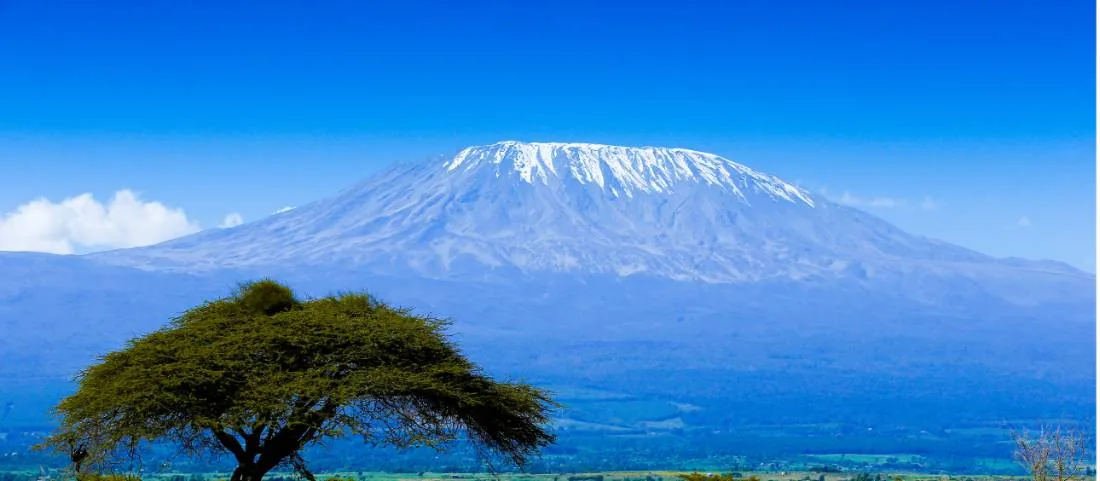
Kilimanjaro National Park protects Mount Kilimanjaro, Africa's highest mountain and the world's tallest free-standing volcanic massif. Rising dramatically to 5,895 meters (19,341 feet) at Uhuru Peak on the Kibo cone, it towers 4,877 meters above the surrounding plains. Located in northern Tanzania near the town of Moshi (about 44 km from park headquarters at Marangu), the park spans 1,688 square kilometers and includes the montane forest belt surrounding the mountain. Designated a national park in 1973, opened for tourism in 1977, and inscribed as a UNESCO World Heritage Site in 1987 for its outstanding natural beauty and geological significance, Kilimanjaro stands in splendid isolation, crowned by glaciers and snow despite its equatorial location.
The mountain comprises three volcanic cones: Kibo (dormant, highest at 5,895 m), Mawenzi (rugged, 5,149 m), and Shira (extinct, 3,962 m). It features five distinct vegetation zones ascending from the base: lower cultivated slopes, lush montane rainforest (home to colobus monkeys, elephants, and leopards), heath and moorland with giant heathers and lobelias, alpine desert with hardy lichens and sparse plants, and the icy arctic summit zone. This altitudinal diversity creates one of the most varied ecosystems in East Africa, supporting over 2,500 plant species and 140 mammal species, including endangered and endemic flora/fauna.
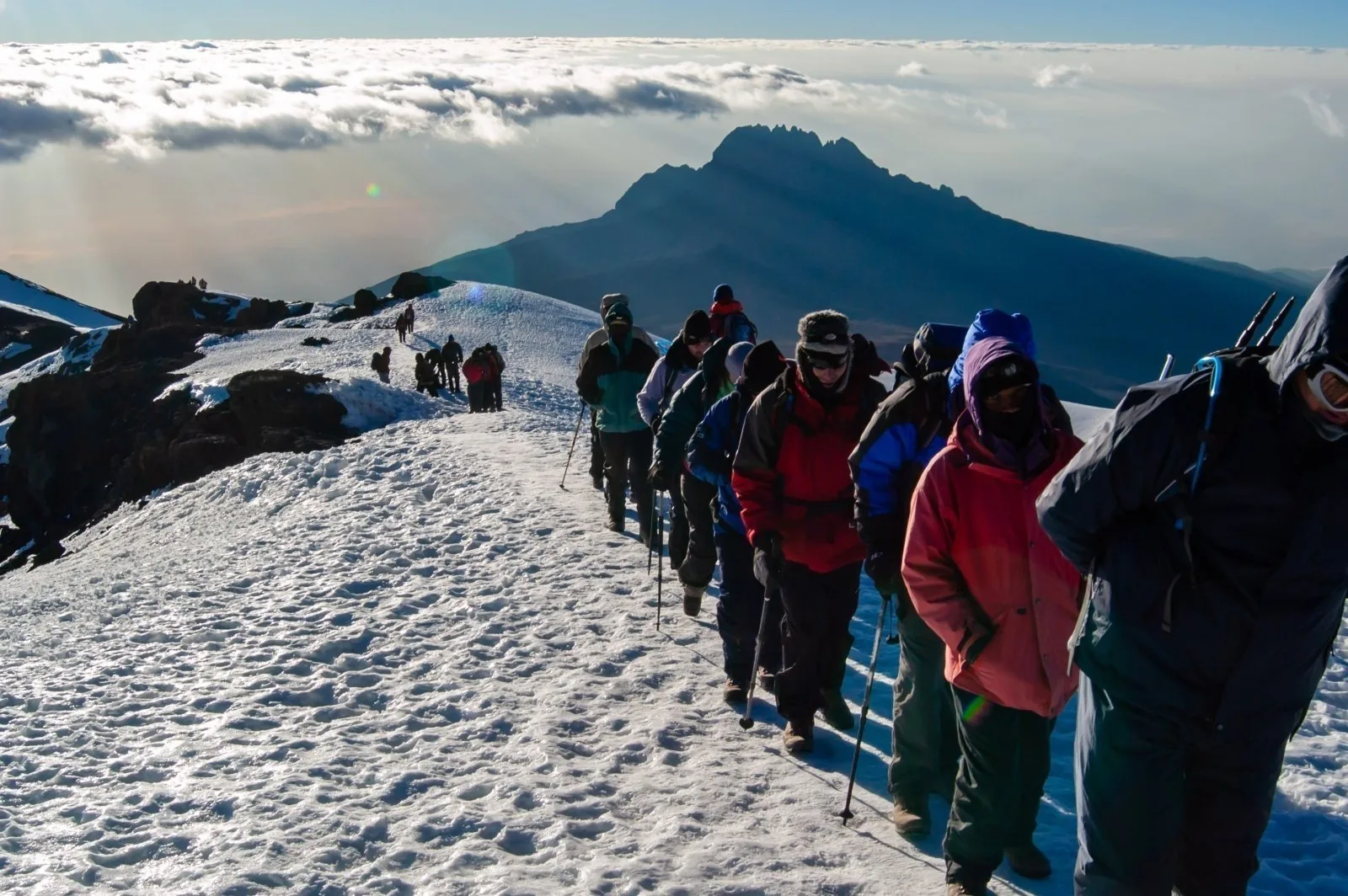
Kilimanjaro is one of the Seven Summits (highest peaks on each continent) and a bucket-list non-technical climb — no ropes or ice axes required on standard routes, though high altitude poses the main challenge (acute mountain sickness risks). Popular routes include: Marangu (the "Coca-Cola" route, hut-based, 5–6 days); Machame (scenic "Whiskey" route, camping, 6–7 days); Lemosho (beautiful, longer acclimatization, 7–8 days); Rongai (northern approach, drier); Shira (high start); Northern Circuit (longest, best success rates); Umbwe (steep, challenging). Success rates improve with longer itineraries allowing better acclimatization.
The best times to climb are the dry seasons: mid-June to October (long dry season, clear skies, stable weather) and December to mid-March (short dry season, warmer but busier holidays). Avoid rainy periods (April–May long rains, November short rains) when trails become muddy and visibility poor. Year-round climbing is possible, but dry months offer higher summit success and safer conditions. Wildlife viewing is best in lower forest zones: black-and-white colobus monkeys, blue monkeys, bushbuck, duiker, elephants, and occasional leopards.
Standing atop Uhuru Peak at dawn, watching the sun rise over the African plains with glaciers glittering behind you, is a moment of profound achievement — Kilimanjaro rewards every step with unparalleled beauty and the thrill of conquering Africa's roof.
Climbing requires good fitness, proper gear (warm clothing for summit night, trekking poles), and guided support — solo climbing is prohibited. Most trekkers take 5–9 days, with summit day starting around midnight from high camp (e.g., Kibo Hut or Barafu) to reach Uhuru Peak at sunrise before descending. Ethical operators prioritize safety, fair porter treatment, and "leave no trace" principles. Park fees fund conservation, anti-poaching, and community projects for the Chagga people, who revere the mountain as sacred.
Challenges include climate change (shrinking glaciers), altitude sickness, and tourism pressure, but Tanzania National Parks (TANAPA) maintains strict management. Many combine Kilimanjaro with Serengeti/Ngorongoro safaris for a complete Tanzania adventure. Whether summiting Uhuru Peak or exploring the forests on day hikes, Kilimanjaro offers an unforgettable journey through ecosystems from tropical to arctic, making it one of the world's most iconic mountains.