Zanzibar Beach Travel Guide – Ultimate 2026 Island Escape
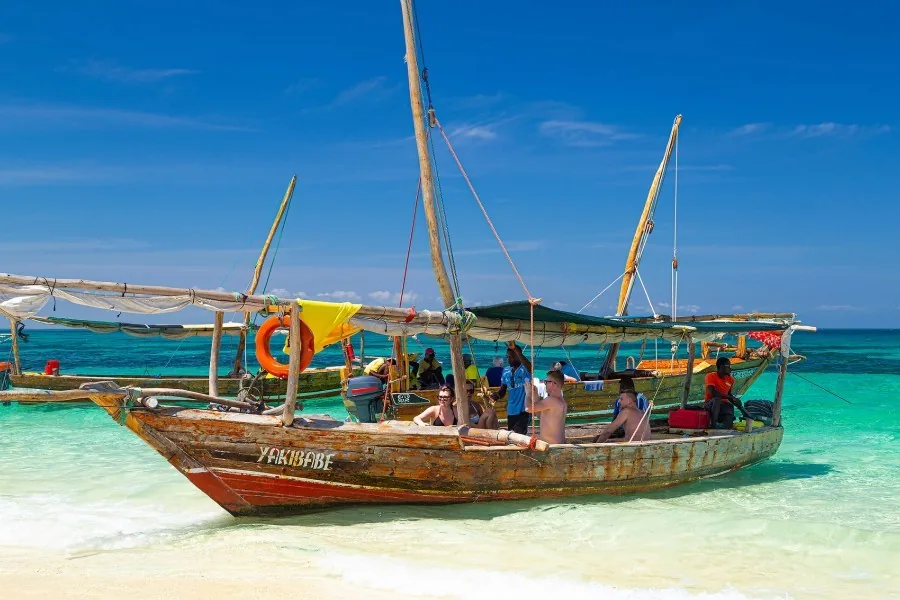
Quick answer
Choose Nungwi or Kendwa on the north coast for swimming at almost any tide and for sunsets, Paje or Jambiani on the south-east coast for kitesurfing and long quiet beaches, and Matemwe in the north-east for a peaceful stay near Mnemba's reefs. On the east coast the sea can retreat hundreds of metres at low tide, so the tide is the first thing to consider.
Last updated: 6 October 2026
Zanzibar has dozens of beaches, but they fall into three broad types: the north coast, where the water stays deep enough to swim all day; the east and south-east coasts, with wide tidal flats, kitesurfing and seaweed farms; and the quiet north-east facing Mnemba Atoll. This guide compares each area, explains how the tides work and helps you match a beach to your trip.
Which Zanzibar Coast Is Best for You?
Pick the coast first, then the beach. The north suits swimmers and first-time visitors, the south-east suits kitesurfers and travellers who want space, and the north-east suits couples and snorkellers looking for quiet.
| Coast | Main beaches | Tide | Best for |
|---|---|---|---|
| North | Nungwi, Kendwa | Small tidal range; swimming at most times of day | Swimming, sunsets, restaurants, first-time visitors |
| North-east | Matemwe, Kiwengwa, Pongwe | Large tidal range | Quiet stays, Mnemba snorkelling and diving |
| South-east | Paje, Jambiani, Bwejuu, Michamvi | Large tidal range; sea retreats far at low tide | Kitesurfing, long walks, a relaxed village feel |
| South | Kizimkazi | Moderate | Dolphin trips and a quieter coast |
| West | Stone Town, Nakupenda sandbank | Day trips only | History, food and sandbank excursions |
How Do the Tides Affect Zanzibar's Beaches?
On the east and south-east coasts the beaches sit on a wide, shallow shelf behind a fringing reef. At low tide the sea can pull back hundreds of metres, sometimes close to a kilometre, exposing sand, rock pools and the seaweed farms tended by local women. Swimming is best in the few hours either side of high tide.
On the north coast, around Nungwi and Kendwa, the water deepens more quickly, so you can swim at almost any time of day. Tide times move later by about 50 minutes each day, and the range is greatest around the full and new moon, so check a tide table before planning a beach day on the east coast. Low tide has its own appeal: it is the best time for walks on the flats and for photographs of the exposed sandbanks.
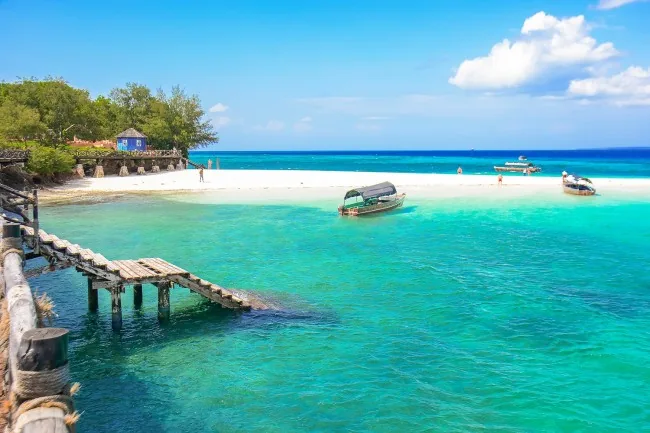
Zanzibar's Best Beaches, One by One
Nungwi
At the island's northern tip, Nungwi is the liveliest beach area, with restaurants, bars, dive centres and some of the best sunsets on the island. Swimming is possible at most tides. The village is also known for traditional dhow building and for a small turtle conservation pond.
Kendwa
Just south-west of Nungwi, Kendwa has a wide, soft beach and calm water for swimming at almost any tide. It is a little quieter than Nungwi during the day, though some venues host full-moon parties. Our Safari Blue & Kendwa packages include a free beach day here.
Matemwe
A long, quiet stretch on the north-east coast and the closest base for snorkelling and diving trips to Mnemba Atoll. The tidal range is large, so swimming depends on the tide, but the beach is peaceful and uncrowded.
Kiwengwa and Pongwe
On the east coast, Kiwengwa is lined with larger resorts, while Pongwe is a smaller, quieter stretch. Both have white sand and a large tidal range.
Michamvi and Bwejuu
Bwejuu is a long, palm-lined beach on the south-east coast. The Michamvi peninsula to its north has beaches facing Chwaka Bay on its western side, one of the few places on the east coast to watch the sunset over the water.
Paje
Paje is Zanzibar's kitesurfing centre, with a wide sandy lagoon at low tide and steady winds for much of the year. It has a social, backpacker-friendly atmosphere with plenty of cafés and kite schools.
Jambiani
South of Paje, Jambiani is a long beach beside a working fishing village, where you can see seaweed farming at low tide. It is relaxed and less developed than Paje.
Kizimkazi
On the south coast, Kizimkazi is known for dolphin-watching trips and for one of the oldest mosques in East Africa. Choose a boat operator that keeps a respectful distance from the dolphins.
Nakupenda Sandbank
A strip of white sand that appears off Stone Town as the tide falls, visited by boat on a half-day trip for swimming and snorkelling. There are no facilities, so trips bring shade and food.
For a full day on the water with sandbanks, snorkelling and a seafood lunch, see our Safari Blue day trip.
Where Should You Stay? Example Hotels by Budget
These are well-known examples in each budget range, listed to help you compare areas; they are not endorsements. Tell us your budget and preferred coast, and we can suggest options for your dates.
| Budget | Examples | Area |
|---|---|---|
| Luxury | Zuri Zanzibar; Essque Zalu; The Residence Zanzibar; Baraza Resort & Spa | Kendwa; Nungwi; Kizimkazi; Bwejuu |
| Mid-range | Kasha Boutique Hotel; Mocco Beach Villas; Breezes Beach Club; Matemwe Lodge | Nungwi; Paje; Bwejuu; Matemwe |
| Budget | Nungwi Beach Resort; Paje by Night; Zenji Hotel; Stone Town guesthouses | Nungwi; Paje; Stone Town |
Our 2-day and 3-day packages use our private villa, which is well placed for the northern beaches.
When Is the Best Time for a Zanzibar Beach Holiday?
June to October and January to February are the best months for beach weather, with sunshine and generally calm seas. Zanzibar is warm all year, but April and May bring the heaviest rain, and November to December can be showery.
| Months | Beach conditions | Good to know |
|---|---|---|
| January–February | Hot, humid and mostly dry | Calm seas; the north-east monsoon (kaskazi) brings kitesurfing winds |
| March–May | Long rains, wettest in April and May | Fewer visitors and lower prices; some hotels close |
| June–October | Dry, sunny and slightly cooler | Peak season; the south-east trade wind (kusi) is strongest for kitesurfing |
| November–December | Short rains, usually brief showers | Busy over Christmas and New Year |

What Can You Do Beyond the Beach?
Every beach area is within about an hour of Zanzibar's main excursions, so it is easy to mix beach days with sightseeing:
- Stone Town walking tour and spice farm
- Prison Island tortoises and Jozani Forest's red colobus monkeys
- Safari Blue: dhow sailing, snorkelling and a sandbank lunch in Menai Bay
- Snorkelling or diving at Mnemba Atoll or Chumbe Island
- Kitesurfing lessons in Paje and sunset dhow cruises from Nungwi
Our Zanzibar travel guide covers the island's other highlights, food and practical tips.
Beach Safety and Etiquette
- Wear water shoes on the east-coast reef flats, where sea urchins are common
- On tidal beaches, don't wander far out on the flats while the tide is coming in
- Don't touch or stand on coral, and leave starfish in the water
- Use reef-safe sunscreen and drink plenty of water in the midday heat
- Cover up when walking through villages or into town; swimwear is for the beach and hotel
- Beach sellers can be persistent; a friendly but firm "no, thank you" is enough
How Can You Add Beach Time to a Zanzibar Trip?
The simplest way is to choose a package that already includes free beach days, or to end a safari on the coast:
- 2-day packages: one excursion plus a free day at Nungwi or Kendwa
- 3-day packages: two excursion days and a beach day
- 4-day and 5-day packages: several unhurried beach days
- Zanzibar after a safari: how to combine the bush and the beach
Compare everything on our Zanzibar tours page.
How Do You Get to Zanzibar's Beaches?
Fly into Zanzibar Airport (ZNZ), about 30 minutes from Dar es Salaam and around 1–1.5 hours from Arusha or Kilimanjaro, with international connections via Nairobi, Dubai, Doha and Istanbul. From the airport, the north and east coasts are each about an hour by road; we can arrange your transfer.
Related reading: Zanzibar beach holidays after a safari · Best time for a Tanzania safari · First-time Tanzania safari guide
Zanzibar Beach FAQs
Which Zanzibar beach is best for swimming?
Nungwi and Kendwa on the north coast. The water deepens quickly there, so you can swim at almost any time of day, unlike the east coast where the sea retreats at low tide.
Why does the sea disappear at Paje and Jambiani?
The east and south-east coasts sit on a wide, shallow shelf behind a reef. At low tide the water can pull back hundreds of metres, so swimming is best in the few hours either side of high tide.
Which Zanzibar beach is best for families?
Kendwa and Nungwi are the easiest for families because children can swim at most tides. Kendwa is usually the calmer of the two during the day.
Where is the best place for kitesurfing in Zanzibar?
Paje on the south-east coast is the island's kitesurfing centre, with kite schools and a wide lagoon. The windiest periods are roughly June to September and December to February.
When is the best time to visit Zanzibar's beaches?
June to October and January to February are the best months for beach weather. April and May are the wettest.
Where can you watch the sunset in Zanzibar?
Nungwi and Kendwa on the north-west tip have the best sunsets. On the east coast, the western side of the Michamvi peninsula faces the sunset over Chwaka Bay, and Stone Town's seafront is also popular.
Is Stone Town a beach destination?
No. Stone Town is the historic old quarter of Zanzibar City, worth one or two days for its history, markets and food. For swimming, stay on the north or east coast.
How far are the beaches from Zanzibar Airport?
The north and east coasts are each about an hour's drive from the airport, and Stone Town is about 15–20 minutes away. We can arrange transfers in advance.