Best Time for Tanzania Safari – Month-by-Month Guide (2026 Update)
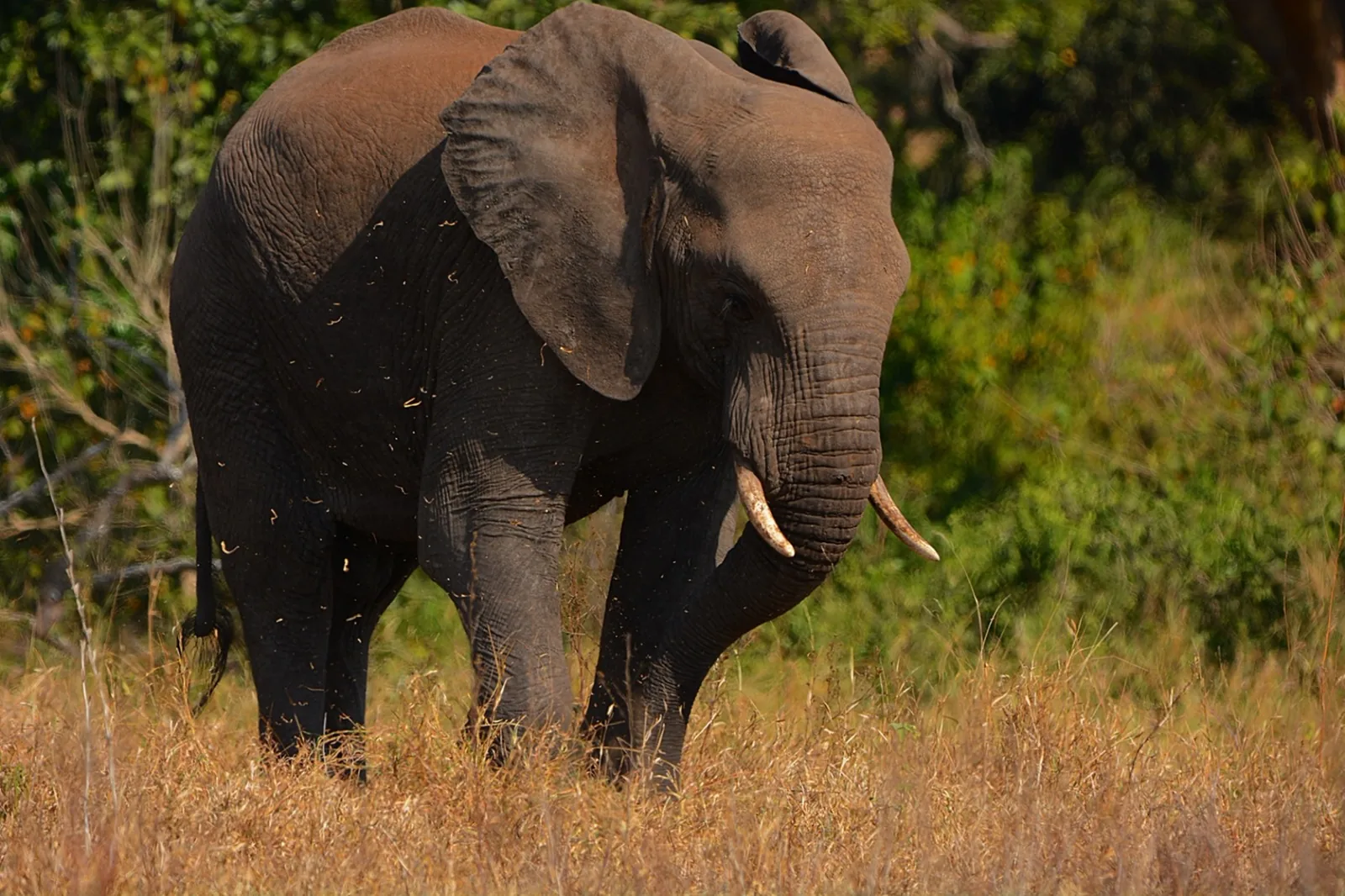
Quick answer
The best time for most Tanzania safaris is the dry season, June to October, when animals gather around water and game viewing is easiest. Go July to September for the Mara River crossings, January to February for calving season and baby animals, or March to May for the lowest prices if you don't mind heavy rain.
Last updated: 5 October 2026
Choosing the right time to visit Tanzania can transform your safari from good to unforgettable. Whether you dream of witnessing the Great Migration river crossings, seeing predators in action during dry season, or enjoying lush green landscapes with baby animals, this guide breaks down the best months for every type of safari experience.
Dry Season (June–October) — The Classic Tanzania Safari Peak
This is widely considered the best overall time for most first-time visitors and wildlife photographers. Vegetation is thin, water sources are limited, and animals concentrate around rivers and waterholes — making game viewing excellent.
- June–July: Great Migration river crossings begin in the north (Mara River). Fewer crowds than August–September. Ideal for birding and general wildlife viewing.
- August–September: Peak season — dramatic river crossings, huge predator concentrations, excellent big-cat sightings. Book 12+ months in advance as lodges fill quickly.
- October: Migration moves south again, still good wildlife viewing, slightly fewer visitors and lower prices than peak months.
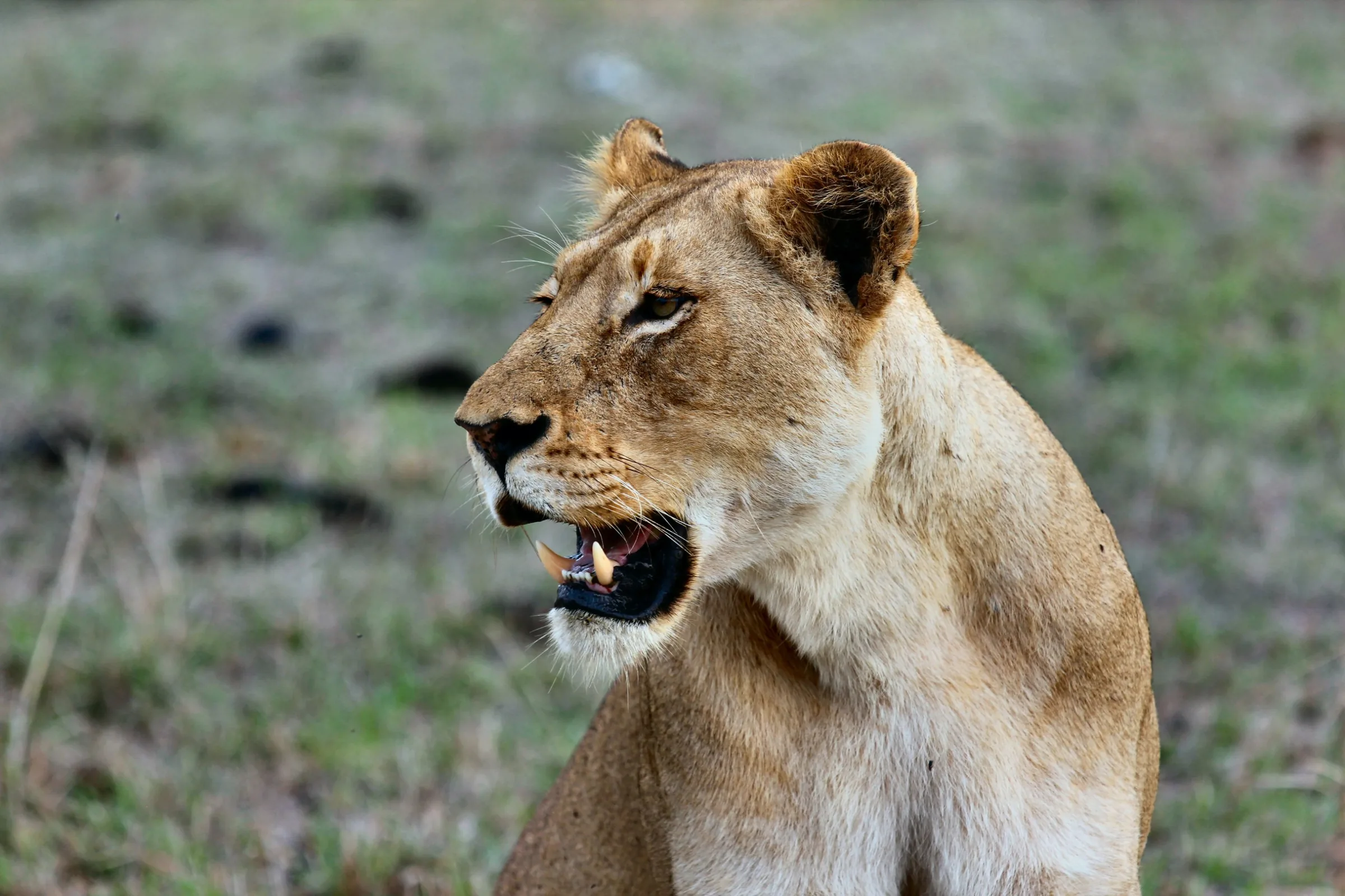
Green Season (November–March) — Best for Baby Animals and Birding
The landscape turns emerald green, baby animals are born in huge numbers, and birdlife explodes with migrants. Fewer crowds and lower prices make this a fantastic value season for families and photographers.
- January–February: Calving season in southern Serengeti — thousands of wildebeest calves, predators follow. Best for photography of newborns and dramatic predator action.
- January–March: Excellent birdwatching (over 500 species), fewer tourists, lush scenery. Short rains usually end by late December, making roads more accessible.
“The green season offers some of the most beautiful, uncrowded safaris in Tanzania — with dramatic skies, newborn animals everywhere, and rates often 30–40% lower than peak dry season.”
Wet Season (March–May) — Lowest Prices and Quiet Parks
Heavy rains from March to May. Many lodges close, roads can be muddy, but serious wildlife enthusiasts love this time for solitude, dramatic skies, and the lowest rates of the year. Best for budget travelers who don’t mind rain.
Quick Summary — Best Month for Your Tanzania Safari Goal
- Great Migration river crossings: July–September
- Best overall wildlife viewing: June–October
- Calving season & baby animals: January–February
- Birdwatching & green landscapes: November–April
- Lowest prices & fewest crowds: March–May
- Avoid if possible: Mid-March to mid-May (heavy long rains)
Ready to plan your perfect Tanzania safari? Contact us today — we’ll match your travel dates to the best season and create a personalized itinerary.
Related reading:
Frequently Asked Questions
What is the best month for a Tanzania safari?
For overall wildlife viewing, June to October is best. August and September are peak months with dramatic river crossings and big-cat sightings, so book 12 months or more in advance. June, July and October offer good viewing with fewer visitors.
When can I see the Great Migration river crossings?
The Mara River crossings take place in the northern Serengeti, typically from July to September.
Is the green season a good time for a safari?
Yes, especially for baby animals and birdwatching. In January and February the wildebeest calve in the southern Serengeti, and over 500 bird species can be seen. Crowds are smaller and rates are often 30–40% lower than in the peak dry season.
When should I avoid a Tanzania safari?
If possible, avoid mid-March to mid-May. The long rains make some roads muddy and many lodges close, although prices are at their lowest.