Preparing for Kilimanjaro Climb – Essential Guide 2026
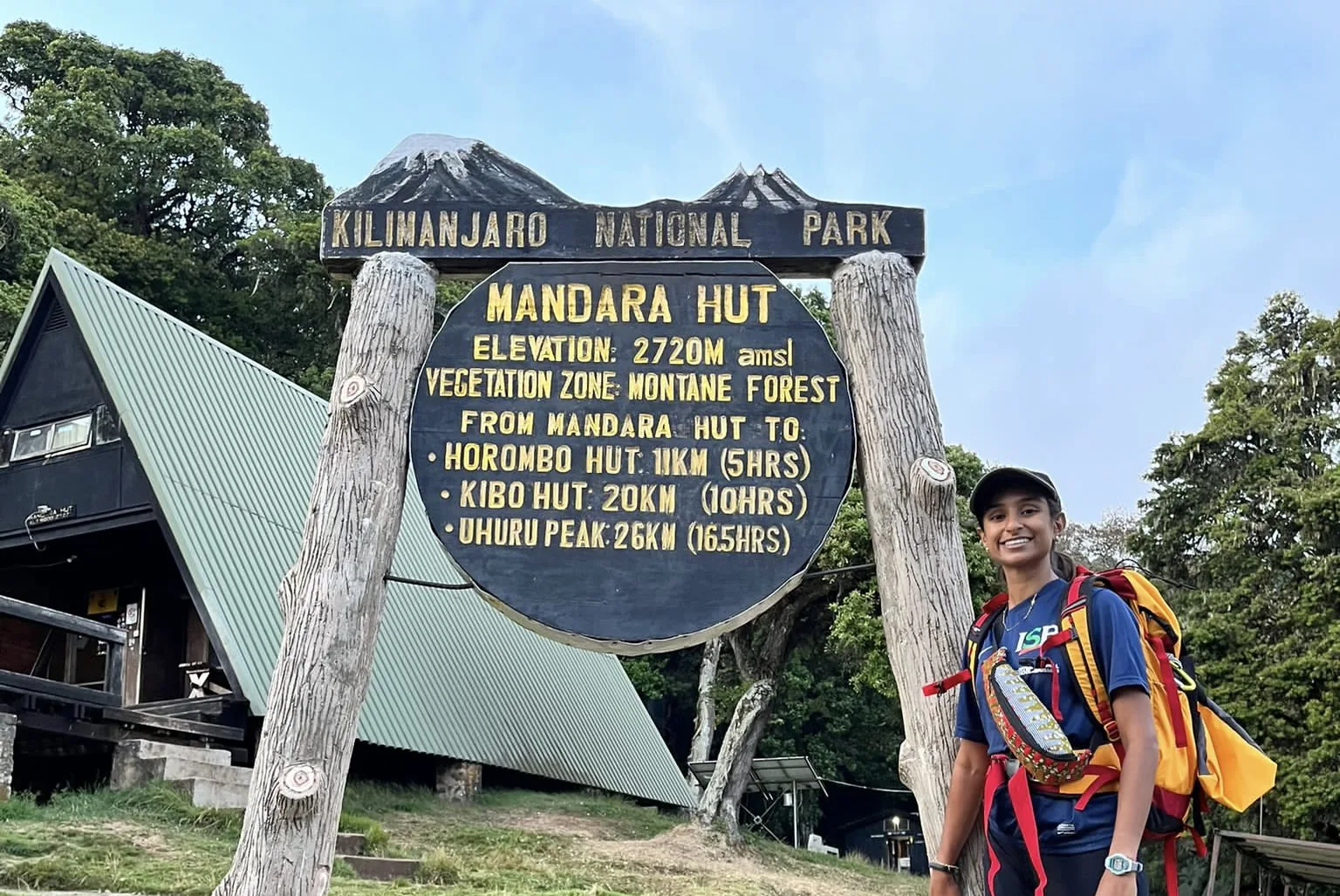
Quick answer
To prepare for Kilimanjaro (5,895 m), start training 3–6 months ahead with cardio and long hikes carrying a 5–10 kg pack. Choose a 7–9 day route for better acclimatisation, and pack warm layers for summit night, when temperatures can fall to −15°C or lower. Walk slowly, drink 3–5 litres a day and learn the signs of altitude sickness.
Last updated: 5 October 2026
Reaching the summit of Mount Kilimanjaro (5,895 m / 19,341 ft) – the highest free-standing mountain in the world – is one of the most rewarding adventures you can have. But success is not guaranteed. Proper preparation dramatically increases your summit chances (from about 30% on a rushed 5-day climb to 90–95% on a well-paced 8–9 day itinerary). This guide covers everything you need to know in 2026.
1. Physical Training – Start 3–6 Months in Advance
Kilimanjaro is not technical, but it is a long, strenuous trek with significant altitude gain. Focus on endurance, leg strength, and cardio.
- Cardio: 4–5 sessions/week — brisk walking, jogging, cycling, stair climbing (aim for 45–90 min)
- Hiking with weight: Carry a 5–10 kg daypack on long walks/hikes (build up to 6–8 hours)
- Strength: Squats, lunges, step-ups, calf raises, core work (planks, leg raises)
- Practice at altitude (if possible): Train on hills or use a stair machine to simulate elevation
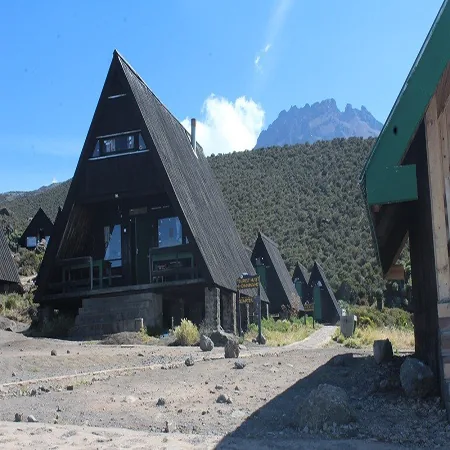
2. Acclimatization – Choose the Right Route & Pace
Altitude sickness (AMS) is the #1 reason people fail to summit. Longer routes with proper acclimatization days give the best success rates.
- Best routes for acclimatization: Lemosho (8 days), Northern Circuit (8–9 days), Machame (7 days)
- Avoid if possible: Marangu 5-day (lowest success rate, about 30%)
- Climb high, sleep low: Follow the golden rule — ascend slowly, include rest/acclimatization days
3. Gear Checklist – What You Really Need
Layering is key — temperatures range from +30°C at base to -15°C/-20°C at summit night.
- Clothing layers: Moisture-wicking base layers, fleece mid-layer, waterproof/windproof jacket & pants (Gore-Tex), warm down jacket (for summit night)
- Footwear: Broken-in waterproof trekking boots (with ankle support), thick warm socks, gaiters
- Sleeping: 4-season sleeping bag (-10°C to -15°C comfort rating), sleeping pad (porters carry it)
- Other essentials: Headlamp + extra batteries, trekking poles, water bottles/bladder (3–4 L capacity), personal first-aid (Diamox if advised, painkillers, blister plasters), sunglasses, sun hat, buff/balaclava, gloves (liner + thick summit gloves)
“The difference between reaching Gilman’s Point and Uhuru Peak is often just having the right layers and staying warm during the final 2–3 hour push in the dark.”
4. Altitude Sickness Prevention & Medication
- Acclimatize slowly — most important factor
- Hydrate — drink 3–5 liters per day
- Diamox (Acetazolamide) — many climbers take 125–250 mg twice daily starting 24–48 hours before high altitude (consult your doctor)
- Recognize symptoms — headache, nausea, dizziness, fatigue — descend immediately if severe
5. Mental Preparation & Summit Night Tips
Summit day (usually starting midnight–2 am) is cold, dark, and mentally tough — “pole pole” (slowly slowly) is the mantra.
Quick Success Tips Summary
- Choose 7–9 day route (Lemosho/Northern Circuit best for acclimatization)
- Train seriously for 3–6 months
- Pack proper cold-weather layers & broken-in boots
- Stay hydrated and walk slowly
- Book with experienced operator (guides know AMS signs & carry oxygen)
Ready to climb Kilimanjaro? Contact us — we’ll recommend the best route for your fitness level, dates, and budget.
Related reading:
Frequently Asked Questions
Do I need climbing experience for Kilimanjaro?
No. Kilimanjaro is not a technical climb, but it is a long, strenuous trek at high altitude, so endurance, leg strength and cardio fitness matter.
Why do people fail to reach the summit?
Altitude sickness is the main reason. Longer routes with acclimatisation days, such as Lemosho or the Northern Circuit, give your body time to adjust.
What gear do I need for Kilimanjaro?
Layers from base layer to down jacket, broken-in waterproof boots, a four-season sleeping bag rated to −10°C to −15°C, a headlamp, trekking poles, warm gloves and 3–4 litres of water capacity.
Should I take Diamox?
Many climbers take Diamox (acetazolamide), often 125–250 mg twice daily starting 24–48 hours before reaching high altitude. Always consult your doctor first.