Kilimanjaro Climb Routes Preparation Tips – Comparison & Success Guide (2026)
Quick answer
For most first-time climbers, the best Kilimanjaro routes are Machame (7 days) or Lemosho (8 days), which balance scenery, acclimatisation and summit success. Choose the Northern Circuit for the highest success rate and fewest crowds, or Marangu if you prefer huts and a shorter trip. Whichever route you pick, train for 3–6 months.
Last updated: 5 October 2026
Mount Kilimanjaro has seven official trekking routes (this guide compares the six most climbed) — each with different scenery, difficulty, acclimatization profile, crowd levels, and success rates. Choosing the right one (and preparing properly) can make the difference between summiting Uhuru Peak and turning back. This 2026 guide compares all routes, gives preparation tips, and helps you pick the best one for your fitness, time, and goals.
Quick Route Comparison Table (2026)
- Marangu (Coca-Cola Route): 5–6 days, about 30% success on 5 days and 50–65% on 6 days, dormitory huts, easiest path, most crowded, least scenic variety.
- Machame (Whiskey Route): 6–7 days, 70–75% success on 6 days and 85–90% on 7 days, camping, steep & scenic, good acclimatization, very popular.
- Lemosho: 7–8 days, about 85% success on 7 days and 90–95% on 8 days, camping, most beautiful scenery, excellent acclimatization, remote start.
- Northern Circuit: 8–9 days, 90–95%+ success, camping, longest route, best acclimatization, very quiet, circles almost entire mountain.
- Rongai (Nalemoru): 6–7 days, about 70% success on 6 days and 80–85% on 7 days, camping, drier northern side, fewer crowds, good for rainy season.
- Umbwe: 6–7 days, 60–70% success, camping, steepest & toughest, very scenic but demanding, not ideal for beginners.
Best Routes for Different Climbers
- Beginners / First-timers: Machame (7 days) or Lemosho (8 days) — good balance of scenery, acclimatization, and success rate.
- Highest summit chance: Northern Circuit (9 days) or Lemosho (8 days) — longest acclimatization.
- Scenic beauty: Lemosho or Northern Circuit — rainforest, moorland, alpine desert, glaciers.
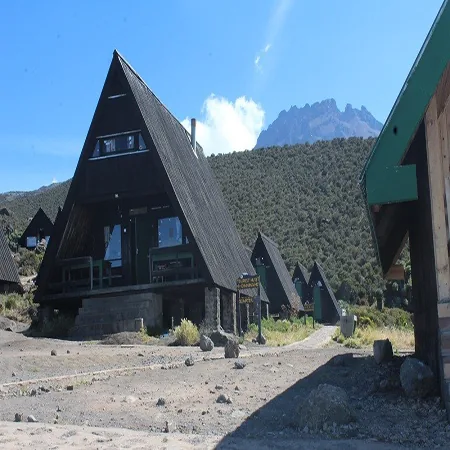
- Budget / Shorter trip: Marangu (5–6 days) — huts, no camping gear needed, but lower success.
- Avoid crowds: Northern Circuit or Rongai — least traffic.
Preparation Tips Specific to Each Route
- All routes: Train 3–6 months (cardio + hiking with pack), acclimatize slowly, pack warm layers (-15°C summit night), hydrate 4–5L/day.
- Marangu: Focus on endurance (steady uphill), less need for camping skills, but prepare for cold dorms.
- Machame / Umbwe: Train steep ascents/descents, strong legs for scrambling sections.
- Lemosho / Northern Circuit: Longer trek — build stamina for 7–9 hour days, practice “pole pole” slow pace.
- Rongai: Drier side — still prepare for cold, less rain gear needed.
“The extra day on Lemosho or Northern Circuit is worth every penny — it gives your body time to adjust to altitude, turning a tough climb into a successful and enjoyable one.”
General Preparation Tips for Any Route
- Physical: 4–5 cardio sessions/week + weighted hikes
- Gear: Broken-in boots, -15°C sleeping bag, layers, trekking poles
- Altitude: Consider Diamox (doctor advice), climb high/sleep low
- Mental: Expect summit night (midnight start, cold, dark) — focus on one pole pole step at a time
- Book with experienced operator — oxygen, proper guides, emergency evacuation plan
Unsure which Kilimanjaro route is best for you? Contact us — we’ll match your fitness, dates, budget, and goals to the perfect route and itinerary.
Related reading:
Frequently Asked Questions
Which Kilimanjaro route is best for beginners?
Machame on 7 days or Lemosho on 8 days. Both give a good balance of scenery, acclimatisation and summit success.
Which route has the highest summit success rate?
The Northern Circuit (9 days), followed by Lemosho (8 days). Both have the longest acclimatisation profiles.
Which Kilimanjaro route is least crowded?
The Northern Circuit and Rongai see the least traffic. Rongai's drier northern side also makes it a good choice in the rainy season.
How long should I train for Kilimanjaro?
Train for 3–6 months with 4–5 cardio sessions a week plus long hikes carrying a weighted pack.