Lake Manyara National Park — Tree-Climbing Lions, Flamingos and Rift Valley Safari
Lake Manyara National Park is a compact yet extraordinarily diverse gem in northern Tanzania, nestled at the base of the dramatic Great Rift Valley escarpment. Covering approximately 330 square kilometers (about 127 square miles), with roughly two-thirds occupied by the shallow, alkaline Lake Manyara itself, the park is one of Tanzania's smaller national parks but punches far above its weight in terms of scenery and wildlife density. Located just 126 km (about 90 minutes' drive) southwest of Arusha, it serves as an ideal gateway or day-trip destination within the Northern Circuit safari route, linking seamlessly with Tarangire, Ngorongoro, and Serengeti.
Established as a national park in 1960 and administered by Tanzania National Parks (TANAPA), Lake Manyara is a UNESCO Biosphere Reserve that protects a stunning microcosm of East African ecosystems: dense groundwater forests fed by underground springs, open savannas, acacia woodlands, hot springs, swamps, and the shimmering soda lake. The Rift Valley escarpment rises dramatically to the west, creating breathtaking panoramic views that frame the park's landscapes and make it one of the most photogenic destinations in Tanzania.
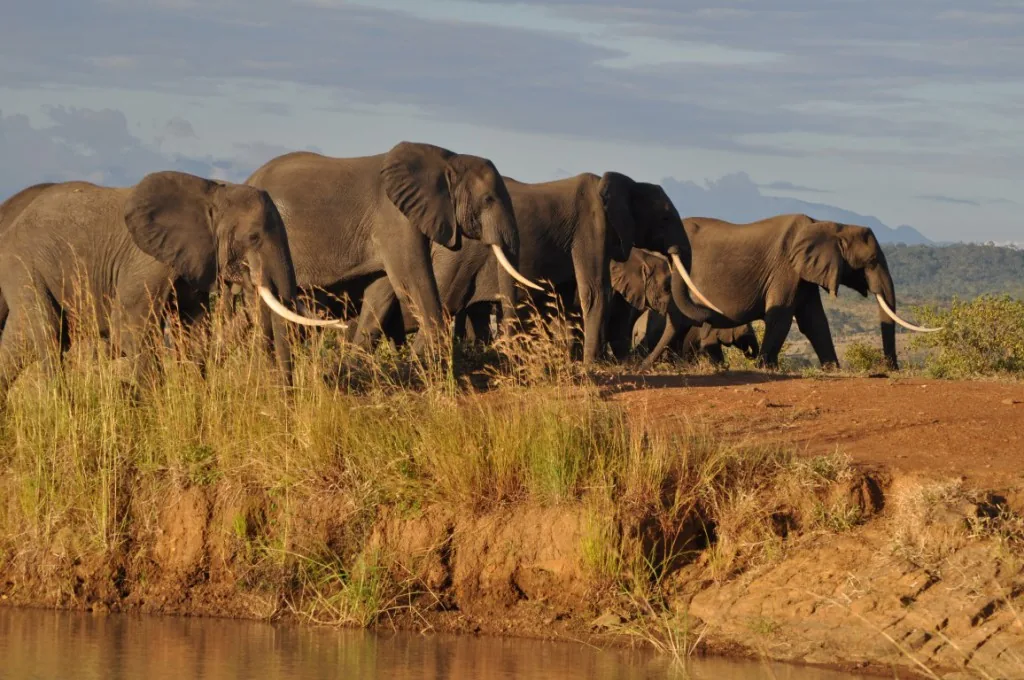
The park is world-famous for its unique tree-climbing lions — a rare behavior seen in only a few places in Africa (such as Queen Elizabeth NP in Uganda). These lions regularly ascend acacia trees to rest in the branches, possibly to escape insects or gain better vantage points. Elephant herds are abundant, often seen moving through the forests or along the lake shores. Other highlights include large troops of baboons (some of the highest concentrations anywhere), buffalo, giraffe, zebra, hippos wallowing in the shallows, and elusive leopards in the dense woodlands. The park supports a rich predator-prey dynamic, with hyenas, jackals, and occasional cheetahs patrolling the open areas.
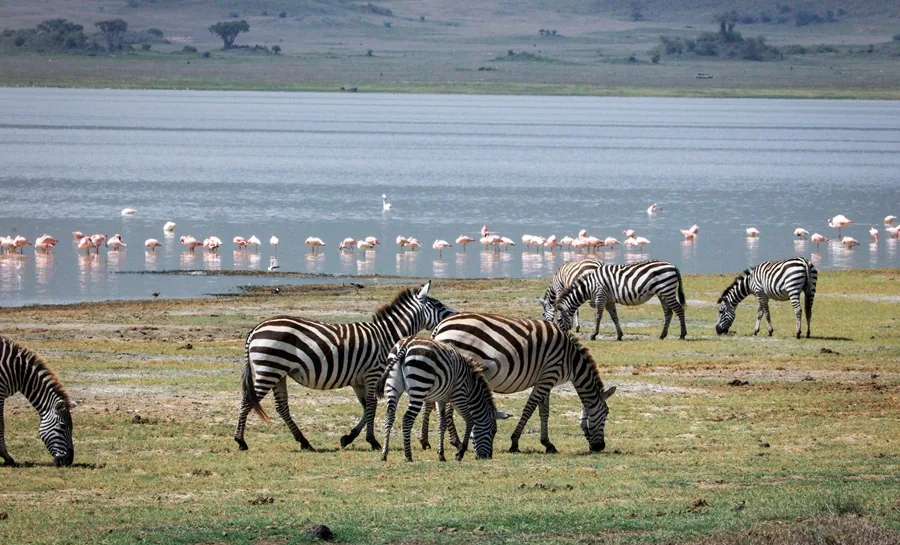
Birdlife is spectacular, with over 400 species recorded — making it a top birdwatching destination. During the wet season, the alkaline lake attracts massive flocks of pink flamingos (sometimes tens of thousands), along with pelicans, storks, herons, Egyptian geese, crowned cranes, and African spoonbills. Migratory birds from Europe and beyond arrive between November and May, adding to the avian diversity. The park's varied habitats — from canopy forests to open grasslands — ensure year-round interest.
Lake Manyara is a symphony of contrasts — pink flamingos against turquoise waters, lions lounging in tree branches high above the ground, and the sheer escarpment towering over it all — a compact paradise that captures the magic of Tanzania in one unforgettable day.
The best time to visit depends on your focus. The dry season (June to October) offers excellent wildlife viewing: vegetation is thinner, making animals easier to spot, tree-climbing lions are more visible, and large mammals congregate near water sources. Roads are dry and accessible, skies are clear, and humidity is low. This is peak season for general safaris. The wet/green season (November to May, with long rains March–May) transforms the park into lush emerald scenery with cascading waterfalls on the escarpment, fewer crowds, lower prices, and prime birdwatching — especially flamingos and migrants. However, heavy rains can make some roads muddy.
Game drives are the main activity, with excellent chances for close encounters in the groundwater forest and along the lake edge. Canoe safaris (when water levels allow), walking safaris in designated areas, and cultural visits to nearby Mto wa Mbu village add variety. The park is often combined with Tarangire for a full-day or multi-day itinerary, or as a relaxing stop en route to Ngorongoro or Serengeti.
Accommodation options include luxury tented camps and lodges on the escarpment rim with panoramic views, as well as budget-friendly sites inside the park. Ethical tourism supports conservation — entry fees fund anti-poaching patrols, habitat protection, and community benefits for local Maasai and other groups. Challenges include fluctuating lake levels due to climate variability, human-wildlife conflict on boundaries, and tourism pressure, but TANAPA maintains the park's pristine wilderness character.
A visit to Lake Manyara is pure magic — from spotting a lion draped over a tree branch at eye level to witnessing thousands of flamingos lift off in a pink cloud against the escarpment backdrop. Whether you're on a quick day trip or incorporating it into a longer Northern Tanzania safari, this compact park delivers outsized wonder and remains one of Africa's most scenic and surprising wildlife havens.