Ngorongoro Crater — Overview, Wildlife and Safari Planning Guide
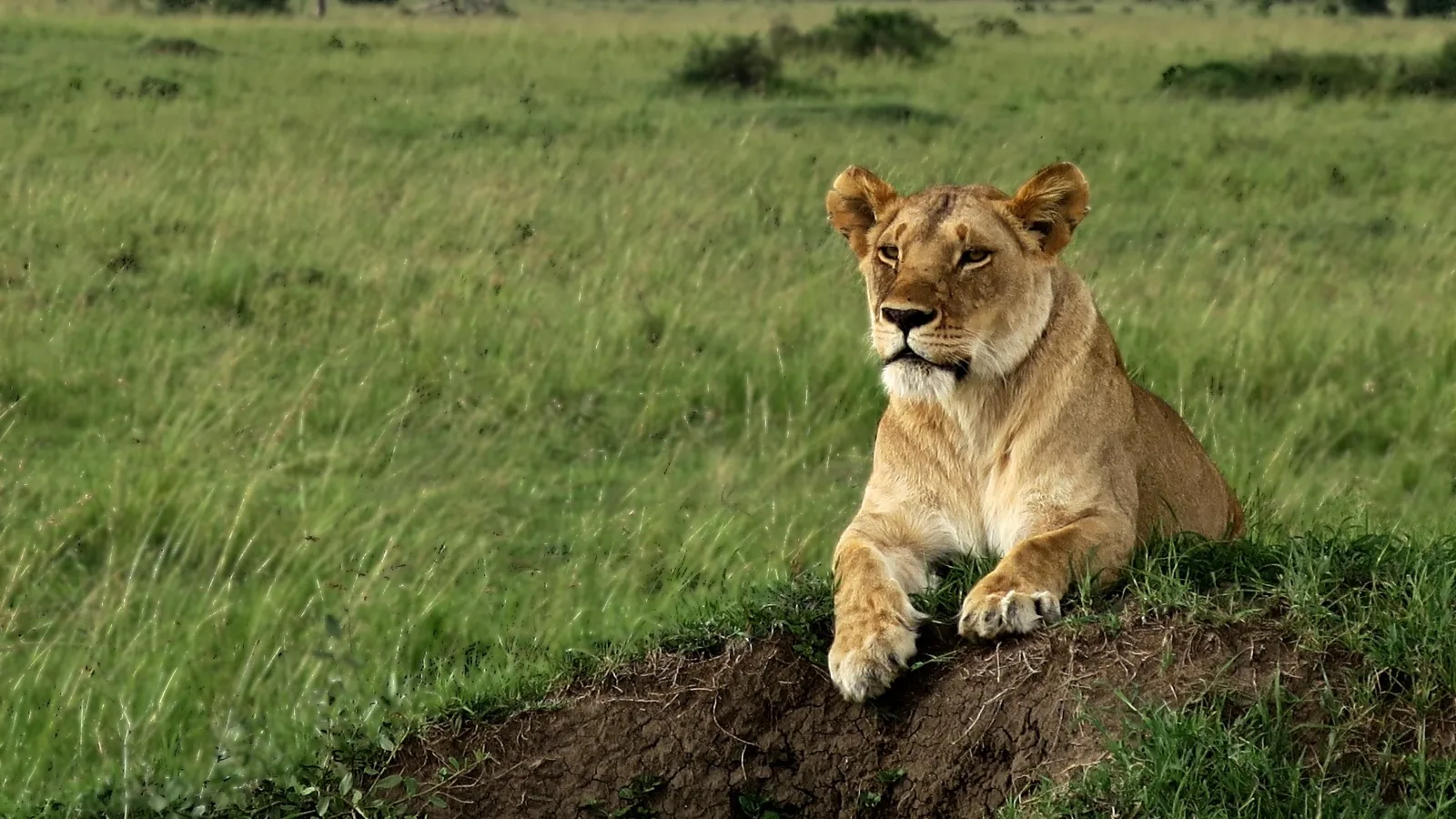
The Ngorongoro Crater, often called Africa's Garden of Eden, is the world's largest intact volcanic caldera, measuring about 16–19 km across and up to 600 meters deep. Located in northern Tanzania within the Ngorongoro Conservation Area (NCA) — a UNESCO World Heritage Site since 1979 — this natural wonder spans part of an 8,292 km² protected multiple-use landscape where wildlife coexists with semi-nomadic Maasai pastoralists. Formed 2–3 million years ago when a volcano collapsed, the crater floor sits at around 1,800 meters above sea level, creating a unique enclosed ecosystem that supports one of the highest concentrations of large mammals in Africa — over 25,000 animals year-round.
Recognized for both its natural and cultural value (inscribed as a mixed site), the Ngorongoro Conservation Area protects vast highland plains, savannas, woodlands, and forests, stretching from the Serengeti plains in the northwest to the Great Rift Valley. It is famous for its dense populations of the Big Five (lion, leopard, elephant, buffalo, and the critically endangered black rhinoceros), as well as large herds of wildebeest, zebra, hippopotamus, and Thomson's gazelle. The crater floor features diverse habitats: open grasslands, swamps, forests, and the central Lake Magadi (a soda lake attracting flamingos), making it a self-contained wildlife arena unlike anywhere else on Earth.
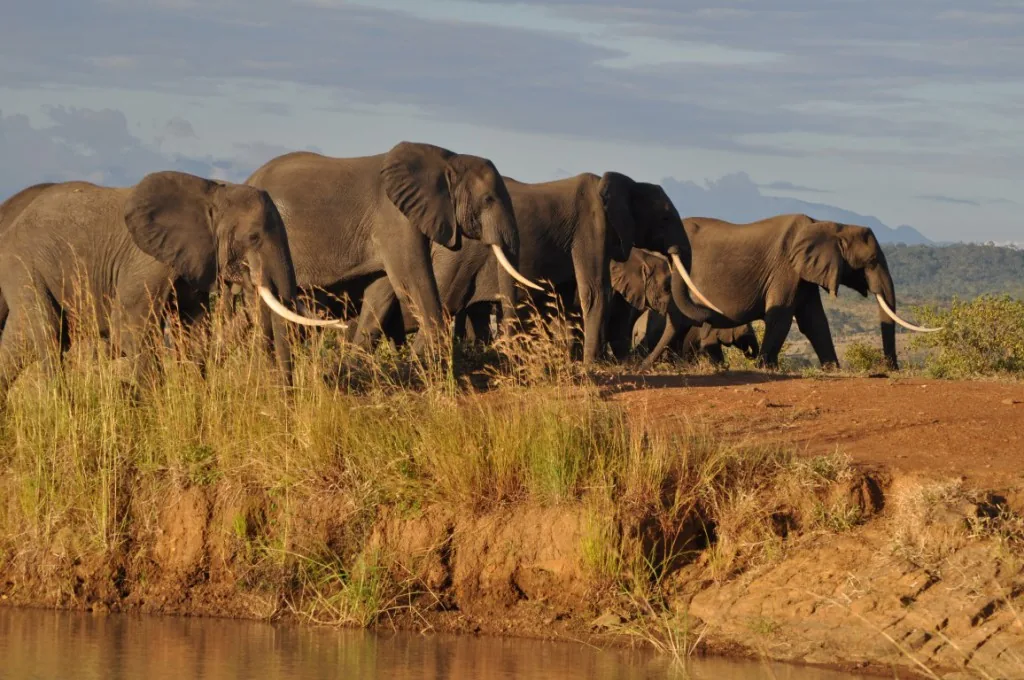
Wildlife viewing in the Ngorongoro Crater is exceptional year-round due to its permanent water sources and enclosed nature — animals rarely leave the crater floor. Lions are abundant, often seen in prides hunting or resting in the shade. Black rhinos, one of the crater's flagship species, roam the open plains (though sightings require patience and luck due to their rarity and conservation status). Elephants thrive in the forests and swamps, while hyenas, jackals, and cheetahs patrol the grasslands. Birdlife is spectacular, with over 500 species recorded, including flamingos on Lake Magadi, crowned cranes, and ostriches.
The best time to visit depends on your priorities. The dry season (June–October) offers peak wildlife viewing: short grass makes animals easy to spot, clear skies provide excellent visibility, and predators are active around waterholes. This is high season with more visitors. The green/wet season (November–May, especially March–May long rains) transforms the crater into lush emerald landscapes with wildflowers, fewer crowds, lower prices, and superb birdwatching — though rain can make roads muddy and visibility lower. January–February is ideal for seeing newborn animals during the calving season in surrounding areas.
The Ngorongoro Crater is like no other place on Earth — a natural enclosure where Africa's greatest wildlife drama unfolds daily against a backdrop of breathtaking volcanic beauty, reminding us of the fragile harmony between nature and humanity.
Safari experiences in Ngorongoro typically involve full-day game drives descending into the crater via steep roads (only 4x4 vehicles allowed). Visitors often combine it with nearby Serengeti, Tarangire, or Lake Manyara for a Northern Circuit itinerary. Luxury lodges and tented camps perch on the crater rim with panoramic views, while cultural visits to Maasai villages offer insights into traditional life. Hot-air balloon rides over the crater at sunrise provide unforgettable aerial perspectives.
Conservation challenges include human-wildlife conflict, poaching threats to rhinos, tourism pressure, and climate impacts on water sources. The Ngorongoro Conservation Area Authority (NCAA) manages this unique multiple-use model, balancing wildlife protection with Maasai livelihoods through community programs, anti-poaching efforts, and sustainable tourism. Visitors contribute directly via park fees that fund these initiatives.
A visit to Ngorongoro is a profound experience — descending into this living caldera feels like entering a lost world where lions roar at dawn, rhinos graze peacefully, and flamingos paint the lake pink. Whether you're seeking the thrill of spotting all Big Five in one day or simply marveling at nature's masterpiece, the Ngorongoro Crater remains one of Africa's — and the world's — most extraordinary destinations.