Serengeti National Park — Wildlife, Location and What to Expect
Serengeti National Park, located in northern Tanzania, is one of the most iconic wildlife destinations on Earth. Spanning approximately 14,763 square kilometers (about 5,700 square miles), it forms the core of the larger Serengeti ecosystem, which extends into Kenya's Maasai Mara National Reserve. The name "Serengeti" comes from the Maasai word "siringet," meaning "endless plains," perfectly capturing the vast, rolling grasslands that stretch to the horizon, dotted with acacia trees, granite kopjes (rocky outcrops), and seasonal rivers. Established in 1951 as Tanzania's first national park and designated a UNESCO World Heritage Site in 1981, the Serengeti is celebrated for its unparalleled biodiversity, dramatic landscapes, and the annual Great Wildebeest Migration—one of the planet's most awe-inspiring natural phenomena.
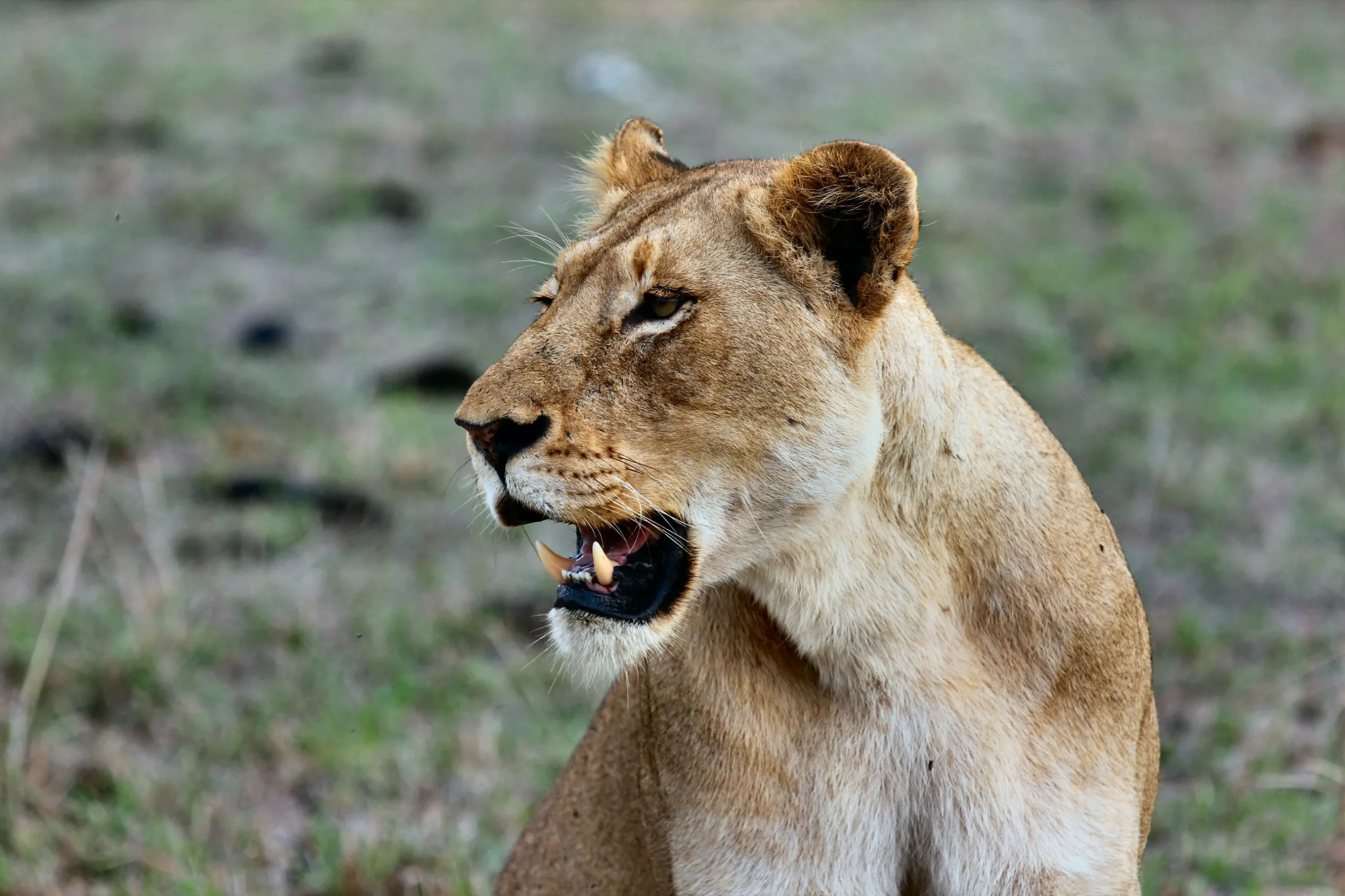
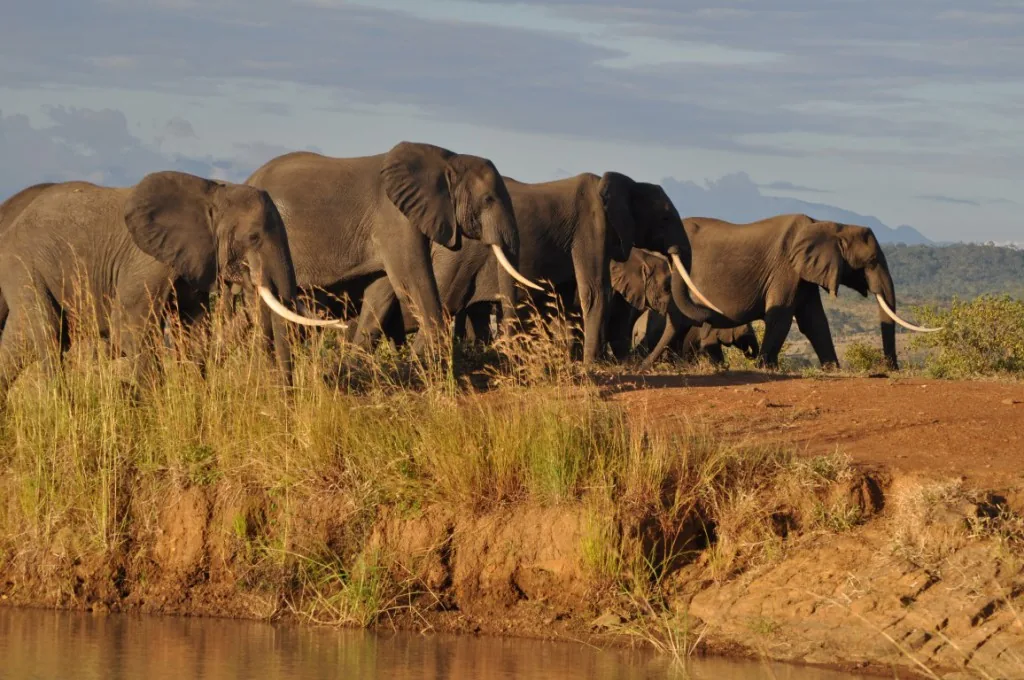
The park's ecosystem supports an extraordinary concentration of wildlife, including the "Big Five" (lion, leopard, elephant, buffalo, and black rhinoceros), along with cheetahs, giraffes, hippos, crocodiles, hyenas, and over 500 bird species. What truly sets the Serengeti apart is the Great Migration: an annual circular trek of more than 1.5 to 2 million wildebeest, accompanied by 300,000 zebras and hundreds of thousands of gazelles. This epic journey covers up to 1,000 kilometers as the herds follow seasonal rains in search of fresh grazing and water. Predators like lions (with one of the world's highest concentrations), cheetahs, and crocodiles follow closely, creating a constant cycle of life, death, and renewal that has unfolded for millennia.
The migration follows a predictable yet rain-dependent pattern. From December to March, the herds concentrate in the southern Serengeti plains (including the Ndutu area near Ngorongoro), where nutrient-rich volcanic soils support short grasses ideal for calving. Over 500,000 wildebeest calves are born in a short window in January and February, attracting predators and offering dramatic sightings of newborns learning to stand and run within minutes. As the dry season approaches in April to June, the herds move northward through the central and western corridors, grazing on fresh grasses while predators like lions and leopards ambush them. July to October marks the peak drama in the northern Serengeti, where the herds face treacherous crossings of the Mara and Grumeti Rivers—iconic moments of chaos as thousands plunge into crocodile-infested waters, with many falling prey or drowning. By November, the survivors return south to restart the cycle.
Beyond the migration, the Serengeti offers year-round wildlife viewing. The dry season (June-October) provides excellent game spotting as animals gather around remaining water sources, with clear skies and fewer mosquitoes. The wet season (November-May) brings lush greenery, fewer crowds, and prime birdwatching, with migratory species arriving from Europe and North Africa. Kopjes serve as vantage points for big cats, while riverine forests harbor elephants and leopards. The park's vastness ensures a sense of untouched wilderness—few roads mean animals roam freely, and visitors often feel like explorers in a timeless landscape.
The Serengeti is not just a park; it is one of the last great unaltered ecosystems on Earth, where the rhythm of nature continues as it has for millions of years, reminding us of the raw power and beauty of the wild.
For safari enthusiasts, planning is key. Best times vary by region: southern Serengeti for calving (January–February), central for transitional movements (April-June), and northern for river crossings (July-October). Fly-in safaris from Arusha or Kilimanjaro offer quick access to remote airstrips, while drive-in options provide immersive experiences. Luxury lodges, mobile camps, and eco-friendly tented camps cater to all budgets, often with hot-air balloon rides for aerial views of the plains at dawn. Ethical tourism supports conservation—park fees fund anti-poaching and community projects. The Serengeti faces challenges like climate change affecting rain patterns, habitat fragmentation from roads, and poaching threats to rhinos and elephants, but ongoing efforts preserve this irreplaceable treasure.
Visiting the Serengeti is more than a safari—it's a profound encounter with nature's grandeur. From witnessing a lion pride hunting at sunset to watching endless herds stretch across the horizon, the park leaves an indelible mark. Whether you're drawn by the migration's thunderous drama or the quiet beauty of a cheetah scanning the plains, Serengeti National Park remains Africa's ultimate wildlife sanctuary, a place where the wild still moves on forever.