Tarangire National Park — Elephants, Baobabs and What to Expect on Safari
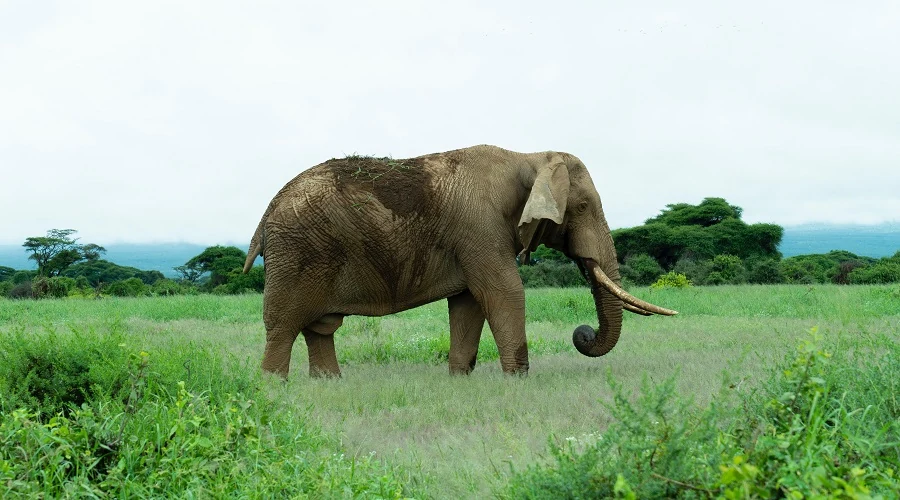
Tarangire National Park, located in northern Tanzania's Manyara Region, is a stunning yet often under-visited gem of the Northern Circuit safaris. Covering approximately 2,850 square kilometers (about 1,100 square miles), it ranks as Tanzania's sixth-largest national park. Named after the Tarangire River that flows through its heart and provides the only permanent water source during the dry season, the park lies roughly 118 km southwest of Arusha and forms a vital wildlife corridor linking to Lake Manyara and the Maasai Steppe.
Established in 1970, Tarangire is world-renowned for hosting some of the largest elephant populations in Africa — often numbering in the thousands — with herds of up to 300 individuals commonly seen gathering along the riverbanks. The landscape is a beautiful mosaic of rolling savannas, acacia woodlands, seasonal swamps (like the iconic Silale Swamp), granitic ridges, and dense bush dotted with ancient baobab trees — some over 1,000 years old — that give the park its distinctive "upside-down tree" silhouette against dramatic skies.
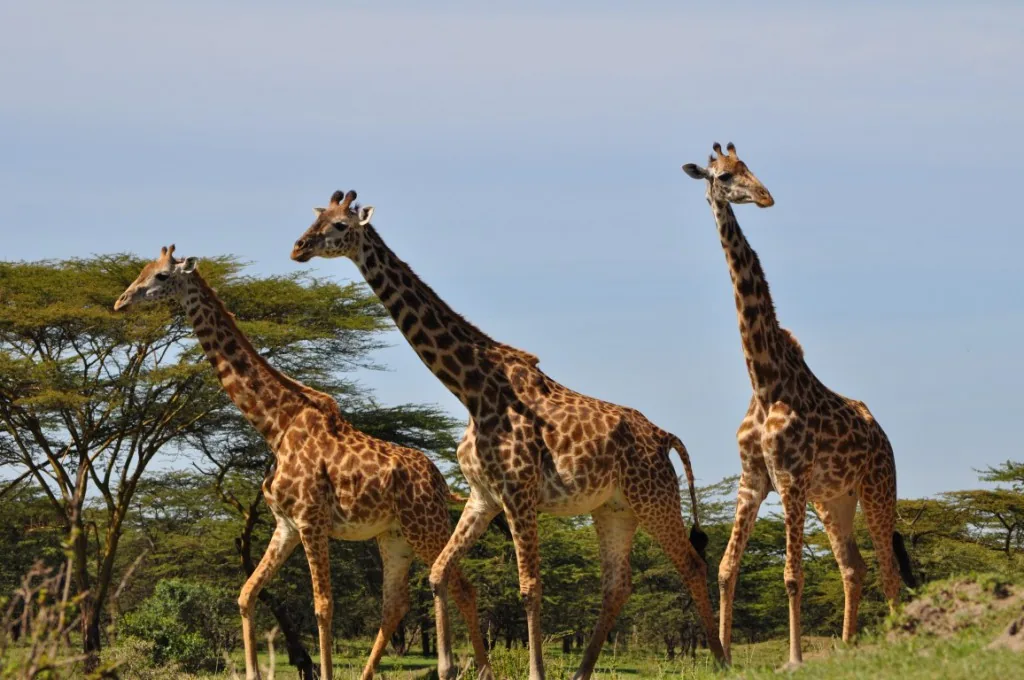
Wildlife in Tarangire is exceptionally diverse and concentrated, especially during the dry season when animals from surrounding areas migrate to the park's reliable water sources. Besides massive elephant herds, the park supports large numbers of buffalo, zebra, wildebeest, giraffe, impala, eland, and fringe-eared oryx. Predators thrive here too: lions (including tree-climbing prides), leopards, cheetahs, hyenas, and even the elusive African wild dog can be spotted. Bird enthusiasts will find over 550 species, including migratory flocks of pelicans, storks, and the endemic ashy starling and yellow-collared lovebird.
The park experiences a classic tropical pattern with two main seasons. The dry season (June to October) is the prime time for wildlife viewing: vegetation thins out, making animals easier to spot, and thousands congregate around the shrinking Tarangire River and swamps. This period delivers spectacular elephant sightings, predator action, and fewer mosquitoes — ideal for game drives and photography. The wet season (November to May, with long rains March–May) turns the park lush and green, with wildflowers, newborn animals, and excellent birdwatching as migratory species arrive. However, many animals disperse outside the park boundaries, and muddy roads can limit access.
Tarangire is where giants roam freely — towering elephants under ancient baobabs, lions lounging in trees, and the river pulsing with life — offering a raw, uncrowded safari experience that feels like Africa's best-kept secret.
Game drives in Tarangire are highly rewarding year-round, but peak dry-season months (July–October) often provide the most dramatic sightings, including large buffalo herds, tree-climbing lions, and red termite mounds rising like sentinels. The park is perfect for combining with nearby Lake Manyara (for tree-climbing lions and flamingos) or as a quieter alternative/addition to Serengeti and Ngorongoro on a Northern Circuit itinerary. Walking safaris are available in designated areas, offering close-up encounters with nature.
Accommodation ranges from luxury tented camps with river views to eco-lodges perched on hillsides overlooking baobab-dotted plains. Hot-air balloon safaris at dawn provide breathtaking aerial views of the landscape and wildlife below. Ethical tourism is emphasized — park fees support anti-poaching, habitat protection, and community benefits for local Maasai groups.
Challenges include seasonal water scarcity affecting migration patterns, human-wildlife conflict on park borders, and tourism growth. Tanzania National Parks (TANAPA) works to maintain the park's wilderness character while promoting sustainable visitation. A visit to Tarangire is unforgettable — from the thunder of elephant herds crossing dusty plains to the quiet magic of a baobab silhouetted at sunset, it captures the essence of untamed Africa in a way few places can.