Zanzibar Travel Guide: What to See, When to Go and How to Plan Your Trip
Quick answer
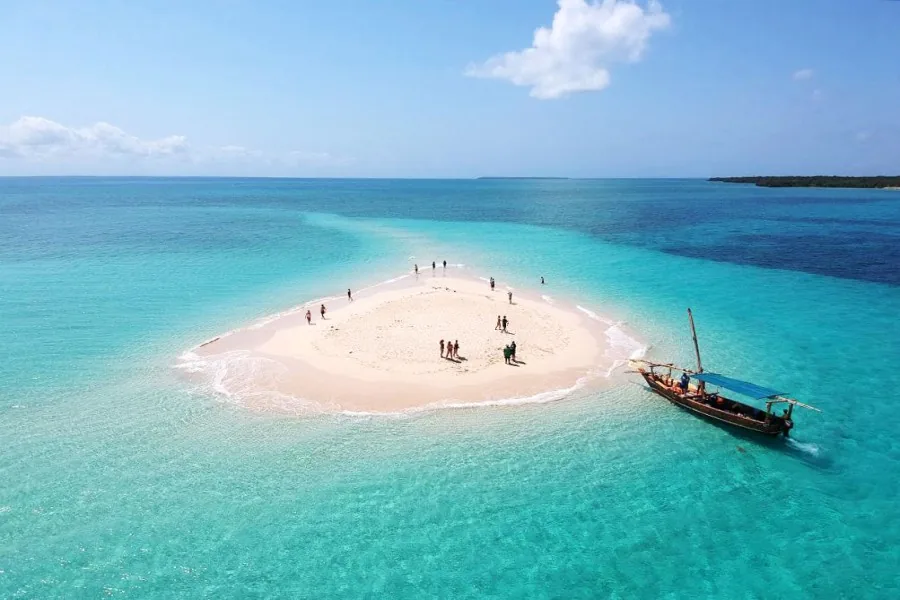
Zanzibar is a semi-autonomous island region of Tanzania, about 20–30 minutes by air from Dar es Salaam. Most visitors spend 3–5 days on the main island, Unguja, combining Stone Town's history, a spice farm, wildlife at Prison Island and Jozani Forest, a boat day such as Safari Blue, and the beaches of the north or east coast. June to October and January to February are the driest times to visit.
Last updated: 6 October 2026 · By Innocent Fraterine, Livingwell Tours and Safaris
What Is Zanzibar Like?
Zanzibar is an archipelago in the Indian Ocean, 25–50 km off the coast of mainland Tanzania. It has its own semi-autonomous government within Tanzania. The main island, Unguja, is what most people mean by "Zanzibar": about 1,666 km², with Stone Town on the west coast and beaches all around. Pemba, the second island to the north, is greener and quieter and mainly attracts divers.
For centuries Zanzibar was a trading hub linking Africa, Arabia, Persia and India, and that history shapes everything from Stone Town's architecture to the food. Most Zanzibaris are Muslim, Swahili is the main language and English is widely spoken in tourism. The island is warm all year, with average temperatures around 26°C and sea water warm enough for swimming in every month.
What Are the Best Things to Do in Zanzibar?
The essential Zanzibar experiences are a guided walk through Stone Town, a spice farm, the giant tortoises of Prison Island, the red colobus monkeys of Jozani Forest, a day on the water, and time on the beach. With three to five days you can do most of them without rushing.
| Experience | Where | Time needed | Our tour |
|---|---|---|---|
| Stone Town walking tour: carved doors, the Old Fort, Christ Church and the former slave market | Zanzibar City, west coast | 2.5–3 hours | Stone Town & Spice Farm |
| Spice farm tour: see and taste cloves, vanilla, cinnamon and nutmeg | Island interior | 2–3 hours | Stone Town & Spice Farm |
| Prison Island: Aldabra giant tortoises and a quarantine-station ruin | Boat from Stone Town | Half day | Stone Town & Prison Island |
| Jozani Forest: endangered red colobus monkeys and a mangrove boardwalk | South-east Unguja | Half day | Prison Island & Jozani |
| Safari Blue: dhow sailing, snorkelling and a sandbank seafood lunch in Menai Bay | Fumba, south-west | Full day | Safari Blue |
| Snorkelling or diving at Mnemba: one of Zanzibar's best-known reef areas | Off the north-east coast | Half day | Ask us to add it to a package |
| Sunset dhow cruise | Nungwi, Kendwa or Stone Town | 2 hours | Ask us to add it to a package |
| Forodhani Gardens night food market: grilled seafood and Zanzibar pizza | Stone Town seafront | An evening | Easy to visit on your own |
| Salaam Cave | Island interior | 2 hours | 3-day packages |
| Beach days at Nungwi, Kendwa, Paje or Jambiani | North and east coasts | As long as you like | 2-day packages |
| Dolphin watching in Menai Bay or off Kizimkazi | South coast | Half to full day | Included on Safari Blue (sightings not guaranteed) |
When watching dolphins, choose a boat that keeps its distance and does not chase the animals; it is better for the dolphins and usually gives calmer sightings. Our Zanzibar tours page compares every day trip and package we run.
What Should You See in Stone Town?
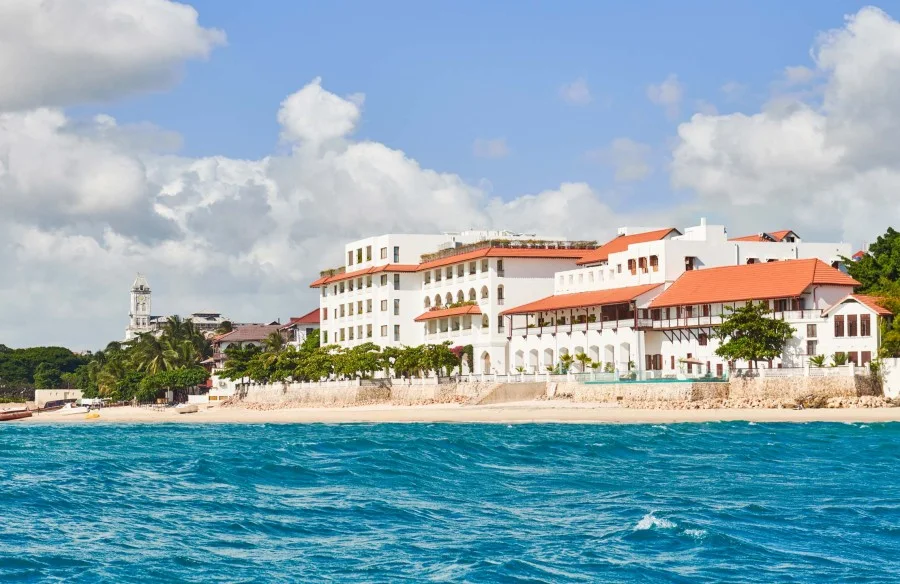
Stone Town, the old quarter of Zanzibar City, has been a UNESCO World Heritage Site since 2000. Plan at least half a day with a guide, who will help you find your way through the maze of alleys and explain the history behind the buildings.
- The Old Fort (Ngome Kongwe), built by the Omani Arabs around 1700 and now a cultural space
- Christ Church Cathedral, built from 1873 on the site of the last open slave market, with a memorial to the enslaved
- The House of Wonders (1883), once the first building in East Africa with electricity; partly collapsed in 2020 and under restoration
- Darajani Market, the busiest local market for spices, fish and fruit
- The carved doors: square-topped Arab-style and rounded, brass-studded Indian-style designs
- Forodhani Gardens on the seafront, which becomes a street-food market every evening
Our Stone Town walking tour and spice farm covers these landmarks with a private guide and adds a spice farm visit and lunch.
Which Zanzibar Beach Is Right for You?
Choose the north coast (Nungwi and Kendwa) for swimming at almost any time of day, the east coast (Paje, Jambiani and Bwejuu) for long quiet beaches and kitesurfing, and the north-east (Matemwe) for a peaceful stay near Mnemba's reefs. The main difference is the tide: on the east coast the sea can retreat hundreds of metres at low tide.
| Area | Best for | Keep in mind |
|---|---|---|
| Nungwi and Kendwa (north) | Swimming at most tides, sunsets, restaurants | The busiest beach area |
| Paje and Jambiani (south-east) | Kitesurfing, long walks, a relaxed atmosphere | Large tidal range; swimming depends on the tide |
| Matemwe (north-east) | Quiet stays, snorkelling trips to Mnemba | Large tidal range, fewer restaurants nearby |
| Stone Town (west) | History, food and evening atmosphere | Not a swimming beach |
For a beach-by-beach comparison, including tides and seasons, read our Zanzibar beach guide.

What Food Should You Try in Zanzibar?
Zanzibari food blends Swahili, Arab, Indian and Persian influences, and it is aromatic rather than very spicy. Seafood, coconut and the island's own spices appear in almost every dish. Look out for:
- Zanzibar pizza: a stuffed, pan-fried pastry with savoury or sweet fillings, a Forodhani Gardens favourite
- Urojo ("Zanzibar mix"): a tangy soup with bhajia, potatoes and toppings
- Pweza wa nazi: octopus cooked in coconut curry
- Pilau and biryani: spiced rice dishes with meat or seafood
- Mishkaki: grilled meat skewers sold at street stalls
- Fresh sugarcane juice and spiced coffee from street vendors
When Is the Best Time to Visit Zanzibar?
The best time to visit Zanzibar is during the dry seasons, June to October and January to February, when days are sunny and the sea is generally calm. The island can be visited year-round: the long rains in April and May bring heavy showers but fewer visitors and lower prices, and the short rains in November and December are usually lighter.
| Months | Season | What to expect |
|---|---|---|
| January–February | Hot and mostly dry | Hot, humid days and generally calm seas; a popular time for beach holidays |
| March–May | Long rains | April and May are the wettest months; quieter beaches, some hotels close, boat trips depend on the weather |
| June–October | Dry season | Sunny, slightly cooler and less humid; peak season, especially July to September |
| November–December | Short rains | Short showers, warm weather; busy again over Christmas and New Year |
During Ramadan, which moves about 11 days earlier each year, many local restaurants close during the day and the atmosphere in Stone Town is quieter, though tourist hotels and tours operate normally.
How Many Days Do You Need in Zanzibar?
Three to five days is ideal for a first visit: enough for Stone Town, one or two excursions and proper beach time. One day covers Stone Town and one highlight, while two days adds a beach day. Our packages are built around these lengths:
- 1-day Zanzibar tours: four full-day excursions from $85 per person
- 2-day packages: one excursion, a villa night and a free beach day
- 3-day packages: two excursion days and two villa nights
- 4-day and 5-day packages: excursions with more time to relax
You can compare all of them side by side on our Zanzibar packages page.

How Do You Get to Zanzibar and Get Around?
Most visitors fly into Abeid Amani Karume International Airport (ZNZ), about 30 minutes from Dar es Salaam or roughly 1–1.5 hours from Arusha or Kilimanjaro, with international connections via Nairobi, Addis Ababa and Middle Eastern hubs. Fast ferries also run from Dar es Salaam to Stone Town in about two hours.
On the island, private transfers and taxis are the most practical way to travel; the north and east coasts are each about an hour's drive from Stone Town. Local minibuses (dala-dala) are cheap but slow. Our tours include pick-up from your accommodation, and we can arrange airport transfers and domestic flights.
What Practical Things Should You Know Before You Go?
- Visa: most nationalities need a Tanzania visa (USD 50 single entry; USD 100 for US citizens), available online or on arrival. Zanzibar also requires mandatory visitor insurance of around USD 44.
- Money: US dollars are widely accepted for tourism; carry Tanzanian shillings for markets. ATMs are available in Stone Town.
- Health: malaria prophylaxis is recommended. A yellow fever certificate is needed if you arrive from a yellow fever country.
- Dress: cover shoulders and knees away from the beach, especially in Stone Town and villages.
- Etiquette: ask before photographing people, and avoid eating or drinking in public during Ramadan daylight hours.
- Reefs: use reef-safe sunscreen and never stand on coral.
Can You Combine Zanzibar with a Tanzania Safari?
Yes, and it is the most popular way to visit Tanzania: a safari in the Serengeti, Ngorongoro and Tarangire, followed by a short flight to Zanzibar for the beach. Most travellers spend 4–7 days on safari and 2–5 days on the island. Read our guide to combining a safari with Zanzibar, see the best safaris departing from Zanzibar, or browse our Tanzania safari packages.
Zanzibar Travel FAQs
Is Zanzibar a country?
No. Zanzibar is a semi-autonomous region of Tanzania with its own government. You enter on a Tanzania visa, and the same visa covers the mainland and Zanzibar.
How many days do you need in Zanzibar?
Three to five days is ideal for a first visit, allowing time for Stone Town, one or two excursions and beach days. One day is enough for Stone Town and one highlight.
What is the best month to visit Zanzibar?
June to October and January to February are the driest months. April and May are the wettest, but the island can be visited year-round.
What is Zanzibar famous for?
Zanzibar is known for UNESCO-listed Stone Town, its history as the Spice Island, white-sand beaches, the Safari Blue boat trip, Prison Island's giant tortoises and the endangered red colobus monkeys of Jozani Forest.
Which part of Zanzibar is best to stay in?
Stay in Nungwi or Kendwa on the north coast for swimming at most tides, Paje or Jambiani on the east coast for kitesurfing and quiet beaches, and Stone Town for one or two nights of history and food.
Is Zanzibar safe for tourists?
Zanzibar's main tourist areas are generally safe. Take normal precautions: keep valuables secure, avoid unlit areas alone at night and book excursions with licensed operators.
What should I wear in Zanzibar?
Wear light clothing that covers shoulders and knees in Stone Town and villages. Swimwear is fine on the beach and at hotels.
How do I get from the airport to my hotel?
Taxis and private transfers wait at Zanzibar Airport. The drive to Stone Town takes about 15–20 minutes, and to the north or east coast about an hour. We can arrange transfers in advance.
Can I visit Zanzibar after a safari?
Yes. Domestic flights connect Arusha, Kilimanjaro and the Serengeti airstrips with Zanzibar, so it is easy to end a safari on the island and fly home from there.
Do I need to book Zanzibar tours in advance?
It is best to book at least two weeks ahead, and four to six weeks ahead from July to September and over Christmas, when demand is highest.