Best Safari Tours Departing from Zanzibar in 2026 — The Complete Planning Guide
Quick answer
From Zanzibar, fly to the mainland rather than going by ferry and road. Arusha and Kilimanjaro are about an hour away for the northern circuit parks, and Nyerere (Selous) is about 45–50 minutes. Two to three days suits most beach-stay extensions; with four days or more, the Serengeti becomes worthwhile. Day trips only make sense to Saadani or Nyerere.
Last updated: 5 October 2026
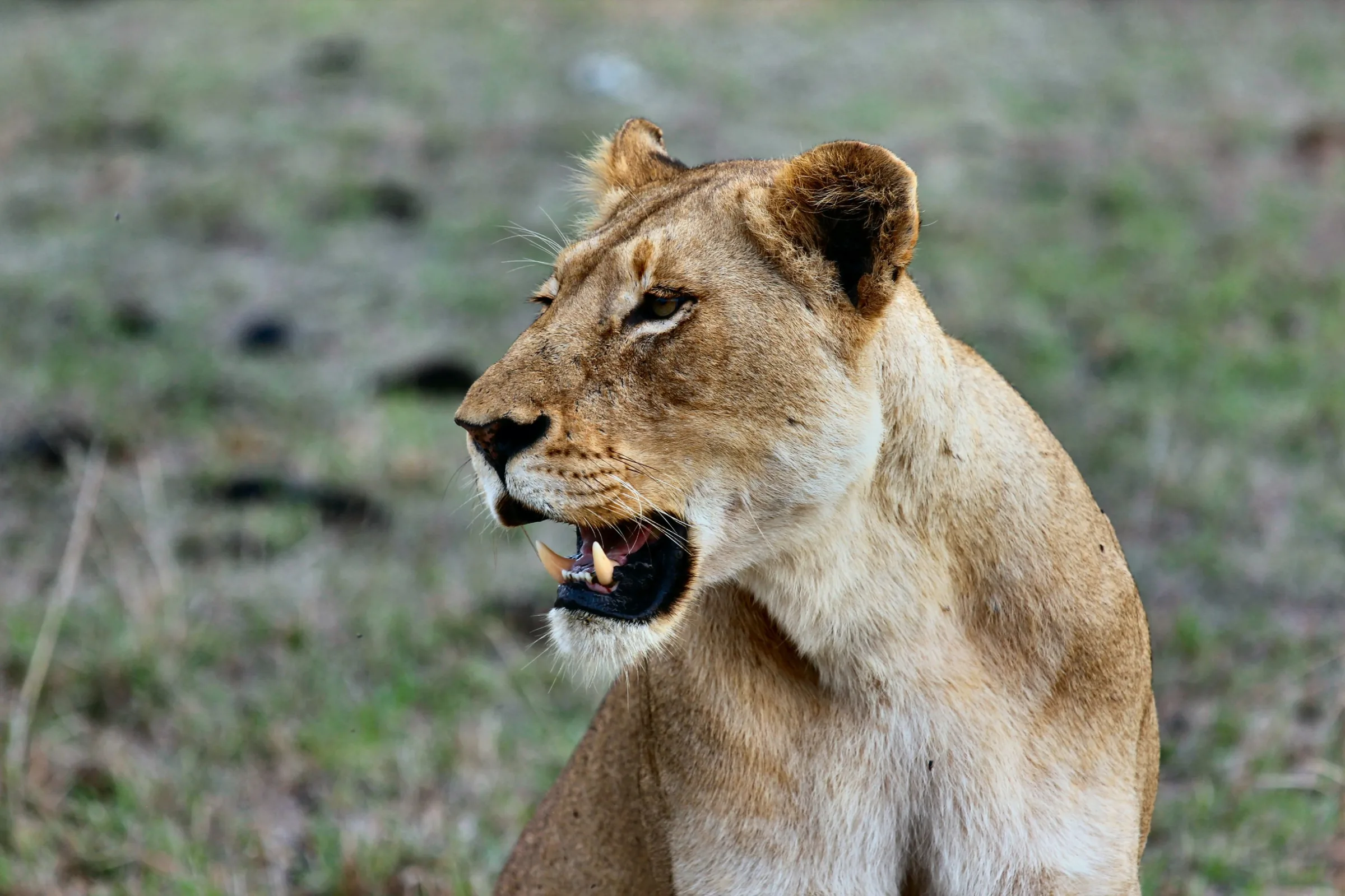
One morning you're watching dhow boats drift across the Indian Ocean from your beach bungalow in Zanzibar. A few hours later, you're watching a pride of lions from the roof hatch of a game-drive vehicle in one of Africa's greatest national parks. That contrast — beach to bush in a single day — is exactly what makes Tanzania such a compelling destination. Zanzibar isn't just a beach escape; it's the best-positioned launchpad for safari tours to the mainland parks that most travellers spend years dreaming about.
How to Get from Zanzibar to Tanzania's Safari Parks
Flying is the most practical option for almost every traveller. The ferry and road alternative exists, technically — but the math works against it. Getting from Zanzibar to the Serengeti by ferry to Dar es Salaam and then by road takes 18 to 24 hours of travel, each way. For most travellers on a two-week trip, that's a quarter of your entire vacation spent in transit. Domestic and bush flights eliminate that entirely, and flying in over the Tanzanian wilderness is an experience in itself — the landscape shifts from coastline to savanna below you, and you land at a bush airstrip where your guide is already waiting.
Flight Times and Connections to Know Before You Book
From Zanzibar's Abeid Amani Karume International Airport (ZNZ), scheduled bush flights to Seronera in the central Serengeti run roughly 2 to 3 hours, sometimes with a short refuelling stop in Arusha or Manyara where passengers typically stay on board. Flights to Arusha or Kilimanjaro International Airport — your gateway for the northern circuit parks — take about one hour.
From Arusha, plan on a 2 to 3 hour road transfer to Tarangire and 3 to 4 hours to Ngorongoro Crater. For the southern circuit, Nyerere National Park (formerly Selous) is about 45 to 50 minutes by bush flight, and Saadani is even closer at roughly 20 to 30 minutes.
| Destination | Route | Flight Time | Ground Transfer |
|---|---|---|---|
| Central Serengeti (Seronera) | ZNZ → Seronera (via Arusha) | 2–3 hours | — |
| Northern Circuit Parks | ZNZ → Arusha / KIA | ~1 hour | 2–4 hrs to parks |
| Nyerere (Selous) | ZNZ → Nyerere airstrip | 45–50 mins | — |
| Saadani National Park | ZNZ → Saadani | 20–30 mins | — |
| Ngorongoro Crater | ZNZ → Arusha + road | 1 hr + 3–4 hrs | Road transfer |
What the Booking Process Looks Like for Inter-Island Flights
Domestic flights within Tanzania are booked separately from your international airfare. Carriers like Coastal Aviation and Auric Air operate regular scheduled bush flights on these routes, but the schedules, baggage restrictions, and connection windows can be tricky to navigate on your own. Bundling your entire itinerary through a single operator — including the Zanzibar-to-mainland flight — removes the guesswork and ensures your lodge check-in time actually lines up with your arrival.
Which Parks to Target on a Safari from Zanzibar
Serengeti National Park — The Flagship Safari Destination
If you have the time, the Serengeti belongs at the top of your list. It covers 5,700 square miles of open savanna, supports most of the Big Five species year-round, and hosts the annual Great Migration — the largest terrestrial mammal movement on earth. Bush flights land at airstrips like Seronera in the centre or Kogatende in the north, depending on where the wildlife action is concentrated. The Serengeti justifies at least four days; any less and you're spending a disproportionate chunk of your time in transit rather than on game drives.
Ngorongoro Crater and Tarangire — The Northern Circuit Pair
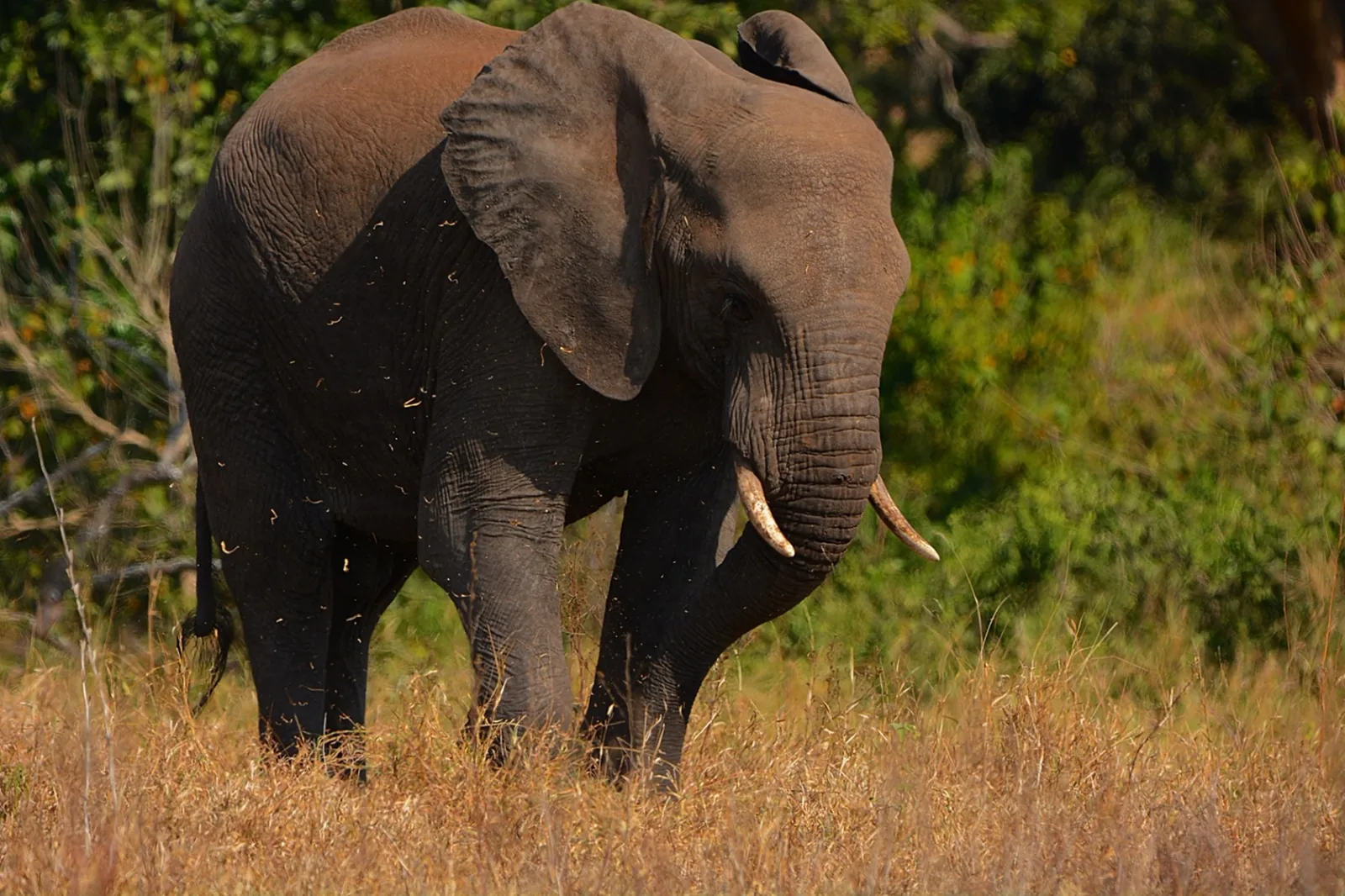
These two parks are rarely visited alone, and for good reason. Ngorongoro Crater is a collapsed volcanic caldera roughly 100 square miles across, supporting tens of thousands of large animals on its floor year-round, including one of Tanzania's last stable black rhino populations. Tarangire pairs beautifully with it, delivering massive elephant herds moving through baobab and acacia landscapes.
The standard routing for this Zanzibar-to-Ngorongoro safari flies into Arusha or Kilimanjaro, then moves by road between both parks over 4 to 6 days.
Nyerere and Mikumi — The Smarter Choice for Shorter Trips
These southern circuit parks don't get the same attention as the Serengeti, but they deliver genuinely world-class wildlife with a fraction of the crowds. Nyerere National Park is Tanzania's largest protected area and offers something the northern parks don't: boat safaris on the Rufiji River, where hippos, crocodiles, and elephants gather along the banks. Mikumi is a strong option for a 1 to 2 day extension from Zanzibar, accessible via a flight to Dar es Salaam followed by a road transfer.
Matching Your Available Time to the Right Safari
One-Day Safaris — What's Realistic and What's Not
A one-day safari to the Serengeti or Ngorongoro from Zanzibar is not realistic. The transit time alone would consume most of your day before a single animal is spotted. Saadani and Nyerere are the clearest sensible day-trip options from Zanzibar — Mikumi can sometimes work too — and even those work best as fly-in full-day experiences with an early morning departure.
Set the right expectation: Some operators advertise "day trips to the Serengeti" from Zanzibar. Compare transit time carefully before booking — more driving than wildlife is not a safari.
The 2–3 Day Extension — The Sweet Spot for Most Travellers
For travellers adding a safari onto a Zanzibar beach stay, 2 to 3 days on the mainland hits the right balance. It's enough time to settle into the rhythm of morning and evening game drives, catch the golden-hour light when predators are most active, and return to Zanzibar feeling like you actually experienced the bush rather than passed through it.
A sample structure: fly to Nyerere on day one, two full days of game drives and a boat safari on the Rufiji River, then an early morning flight back to Zanzibar on day four. This length also keeps costs manageable compared to a full northern circuit trip.
The 4–7 Day Safari — When the Serengeti Makes Sense
With four or more days, the full northern circuit opens up. A traveller can visit the Serengeti, Ngorongoro Crater, and Tarangire in a single itinerary, often with a one-night stop in Arusha at the start or end. For travellers who want to cover everything Tanzania offers in one trip, pairing a 7-day safari with a 4 to 5 day Zanzibar stay is one of the most popular formats we build at Livingwell.
Price Ranges for Safari Tours Departing from Zanzibar
Understanding what each budget tier delivers removes the uncertainty from comparing quotes. Prices below are per person and reflect 2026 rates.
| Duration | Budget | Mid-Range | Luxury |
|---|---|---|---|
| Day trip (Saadani / Nyerere) | $410–$450 | — | — |
| 2–3 days | $900–$1,300 | $1,800–$3,500 | from $5,500 |
| 4–5 days (northern circuit) | — | $3,800–$5,500 | $5,500+ |
| 7+ days (full circuit) | — | $5,500–$8,000 | $8,000–$15,000+ |
What the Price Includes — and What to Watch For
A well-packaged safari from Zanzibar typically includes inter-island flights, park entrance fees, game drives, accommodation, and most meals. Serengeti park fees are currently $83 per person per 24 hours for non-residents. Ngorongoro adds a separate $295 per-vehicle crater service fee on top of its daily access charge — worth confirming when you compare quotes.
What gets left out at the budget end: gratuities for guides and camp staff, airport transfers in Zanzibar, and travel insurance. Before comparing quotes from different operators, confirm exactly what's included in each.
When to Go — Timing Your Zanzibar Safari Combination
June to October — The Dry Season Window
June through October is the gold standard for combining Zanzibar with a mainland safari. On the mainland, dry season means thinner vegetation, animals concentrating around water sources, and better visibility on game drives. In Zanzibar, this period overlaps with the cooler, drier months — good beach weather without the heavy humidity of March and April.
Great Migration Timing and What It Means for Your Itinerary
The migration moves on a consistent annual cycle. Calving happens in the southern Serengeti from January through February, bringing intense predator activity and dramatic scenes of newborns on the savanna. The herds push north through June and July, and the famous Mara River crossings peak from late July through September in the northern Serengeti near Kogatende.
Travellers who specifically want to witness the river crossings need to target the northern Serengeti between July and September. For those who are flexible, January and February offer equally dramatic wildlife action at typically lower lodge rates.
| Month | Migration Location | Key Wildlife Event |
|---|---|---|
| Jan–Feb | Southern Serengeti / Ndutu | Calving season — peak predator activity |
| Jun–Jul | Western Corridor | Herds moving north, early river crossings |
| Aug–Oct | Northern Serengeti / Mara River | Peak river crossings — most dramatic spectacle |
| Nov–Dec | Returning south | Herds moving south, short rains, green scenery |
How a Local Operator Turns This Into One Seamless Trip
Travellers who try to plan a Zanzibar-plus-safari trip independently face a specific set of friction points: separate flight bookings on unfamiliar domestic carriers, coordinating hotel check-out times with bush flight departures, arranging ground transfers on the mainland without local knowledge, and handling last-minute changes without anyone on the ground to call.
As a Tanzania-based operator with deep roots in both the island and the mainland parks, we build custom Tanzania safari packages departing from Zanzibar that connect both legs of the trip from day one. We handle the inter-island flights, coordinate departure times with lodge check-in windows, arrange ground transfers across the northern or southern circuit, and keep the entire itinerary in a single booking thread — one point of contact, one itinerary document, and no gaps between the beach and the bush.
Our in-country support team is available around the clock, so if a domestic flight gets delayed or a park road closes after heavy rain, someone who knows Tanzania picks up the phone and adjusts the plan. We also provide visa guidance, which removes one of the more confusing pre-trip planning steps for first-time Tanzania visitors.
Frequently Asked Questions
Can I do a one-day safari from Zanzibar?
Yes, but only to Saadani or Nyerere (Selous), ideally as a fly-in day with an early start. A day trip to the Serengeti or Ngorongoro isn't realistic because transit would take up most of the day.
How long is the flight from Zanzibar to the Serengeti?
Scheduled bush flights to Seronera in the central Serengeti take roughly 2–3 hours, sometimes with a short stop in Arusha or Manyara.
How many days should a safari from Zanzibar be?
For most travellers adding a safari to a beach stay, 2–3 days is the sweet spot. With 4–7 days you can cover the full northern circuit, including the Serengeti, Ngorongoro Crater and Tarangire.
How much does a safari from Zanzibar cost?
Per person in 2026: about $410–450 for a day trip to Saadani or Nyerere, $900–1,300 (budget) or $1,800–3,500 (mid-range) for 2–3 days, and $3,800–5,500 mid-range for a 4–5 day northern circuit safari.
Start Planning Your Zanzibar Safari Combination
Tell us your available dates and how many days you want on safari. We'll build a custom itinerary — beach and bush — with everything handled from your first inquiry.
Get a Custom Quote