The Complete Tanzania Safari Guide — Parks, Timing, Budget and Packing (2026)
Quick answer
Most Tanzania safaris follow the northern circuit from Arusha through Tarangire, Lake Manyara, Ngorongoro Crater and the Serengeti. Go between June and October for the strongest game viewing and allow 7 to 10 days if you can. Budget about $2,800–6,000 per person for a mid-range 7-day trip, plus $20–30 per day for tips.
Last updated: 5 October 2026
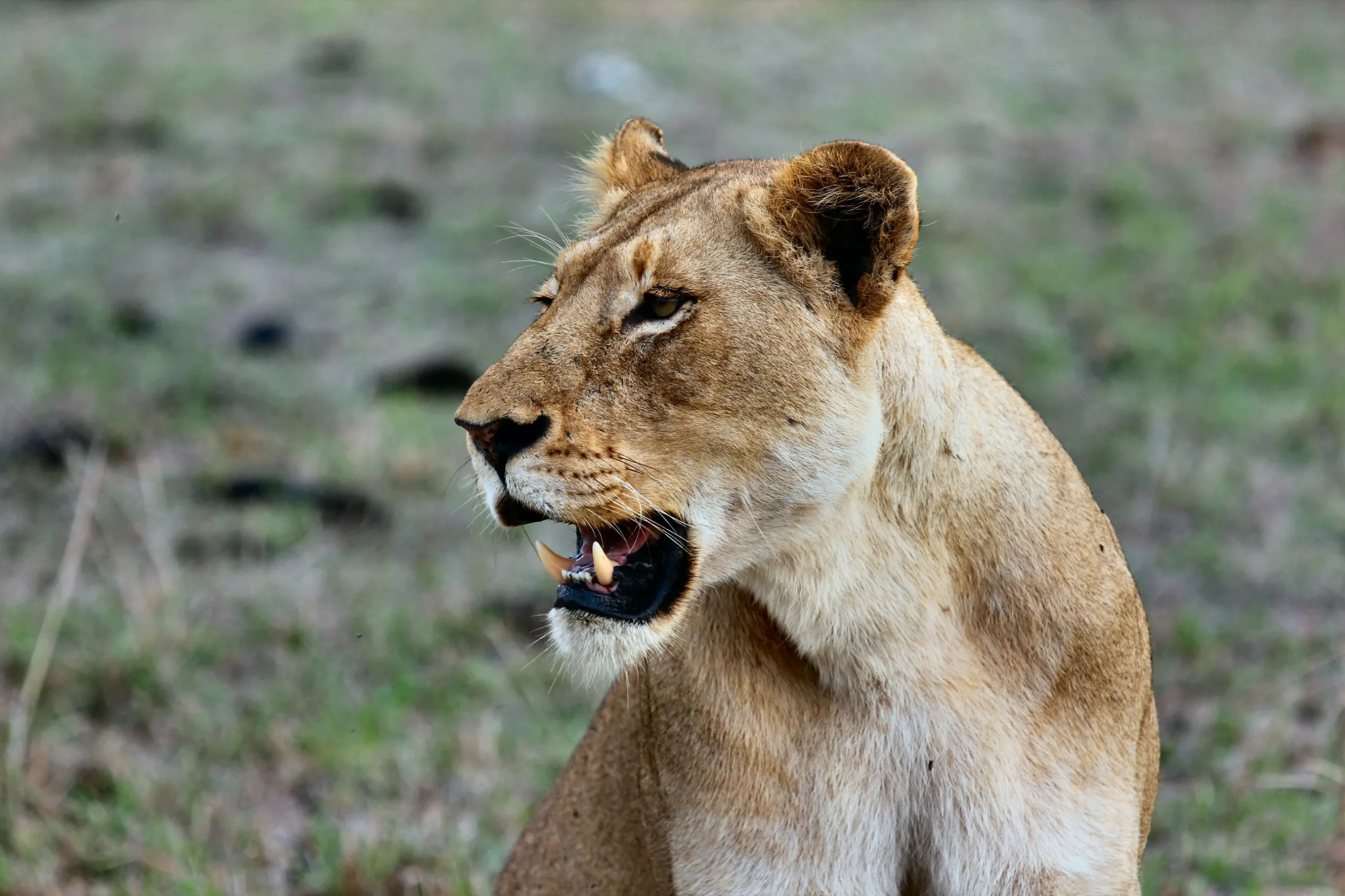
The sky over the Serengeti turns from deep violet to amber at 6 a.m. A pride of lions crosses the road fifty metres ahead, and your certified local guide cuts the engine so the only sound is the grass moving in the wind. That moment is why people fly thousands of miles to Tanzania, and it is absolutely within your reach with the right planning. This guide covers every practical piece you need: which parks to choose, when to go, what a realistic budget looks like, what to pack, and what your actual days on safari will feel like.
Tanzania's National Parks — What Each One Delivers
The Northern Circuit forms the backbone of nearly every Tanzania safari itinerary. This cluster of parks sits within a reasonable drive of Arusha, Tanzania's safari hub, and packs more wildlife density per square mile than almost anywhere else on the continent. Understanding what each park does best helps you build an itinerary that matches your goals instead of just ticking boxes.
Serengeti National Park — The Crown of the Safari World
At roughly 5,700 square miles, the Serengeti is vast enough that you can spend three nights there and still feel like you've only scratched the surface. During the dry season, the open savanna concentrates wildebeest, zebra, elephants, and all five of the Big Five into a landscape that rewards every game drive with something unexpected. The Serengeti is also the stage for the Great Migration — the largest overland animal movement on earth — and any Tanzania safari itinerary of seven days or longer should treat it as the anchor park. More nights here almost always means a better trip.
Ngorongoro Crater — The World's Largest Intact Volcanic Caldera
The Ngorongoro Crater sits at over 7,000 feet at the rim, and descending into the caldera floor feels like entering a self-contained wildlife world. Because the crater walls form a natural boundary, animals don't migrate out — which means the wildlife density here is extraordinary for a relatively compact area. A full crater descent day typically includes a vehicle fee of approximately $295 per vehicle on top of the standard conservation area entry fee, so budget accordingly.
For first-time safari travellers or anyone with a shorter trip window, Ngorongoro delivers a remarkable concentration of wildlife in a single focused day. Go early, stay flexible, and let your guide lead.
Tarangire and Lake Manyara — The Northern Circuit's Opening Act
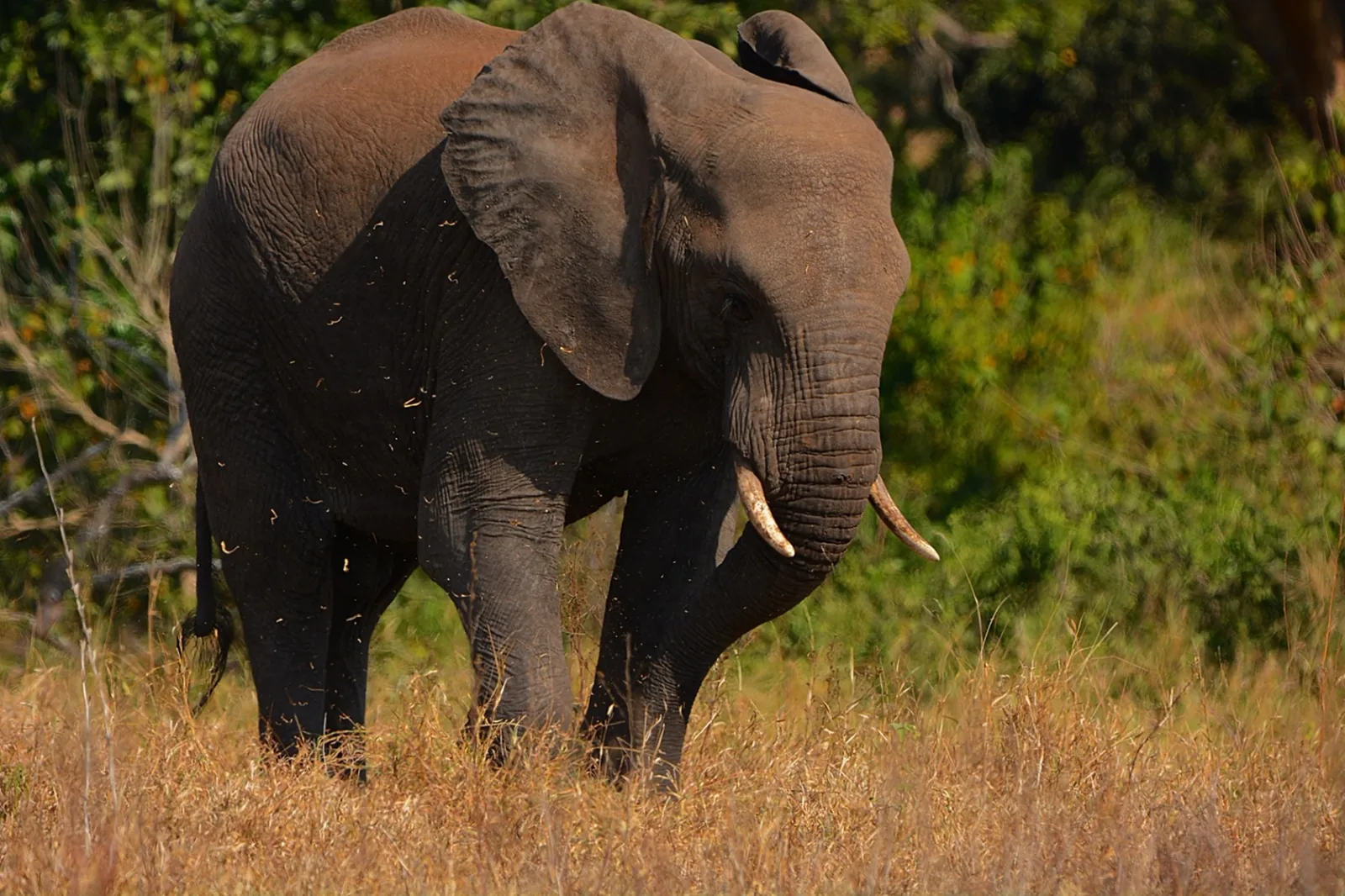
Both Tarangire and Lake Manyara sit within two to three hours of Arusha, making them the natural first stops on a Northern Circuit route. Tarangire is famous for its ancient baobab trees and some of the largest elephant herds in Tanzania, while Lake Manyara draws visitors with tree-climbing lions, vast flocks of flamingos, and a forest canopy that feels entirely different from the open plains.
These two parks justify stretching a seven-day trip to ten days. Adding them gives the whole itinerary a varied visual rhythm instead of one long blur of savanna.
Best Time to Visit Tanzania for Peak Wildlife Viewing
Timing your trip correctly is one of the most consequential decisions you'll make. Tanzania's wildlife experience shifts significantly across seasons, and knowing when to go shapes everything from the animals you see to the price you pay.
Dry Season (June–October) — When Game Viewing Is at Its Strongest
The dry season from June through October is the most reliable window for wildlife viewing across the Serengeti, Ngorongoro, and Tarangire. As water sources recede, animals cluster around rivers and watering holes, making sightings more predictable and more dramatic. This is also peak season, which means higher accommodation rates and more vehicles in the parks. The trade-off is clear: if budget flexibility exists, the dry season delivers the strongest game viewing experience by a wide margin. Peak-season rates during the dry months can run 20 to 30 percent higher than green-season pricing.
The Great Migration Windows — Calving Season Through the Mara River Crossings
The Migration isn't a single event; it's a year-round movement with three distinct highlights you can plan around:
- January–February: Calving season in the southern Serengeti and Ndutu area. Hundreds of thousands of wildebeest give birth and predators are at their most active.
- June–July: The herds push north through the Western Corridor, with early river crossings beginning to unfold.
- August–October: The northern Serengeti delivers the famous Mara River crossings — the most visually intense wildlife spectacle on the planet.
7-Day vs. 10-Day Northern Circuit Itineraries — Which Suits You?
Most travellers land on either the seven-day or ten-day format, and both work well depending on how much time you have and how rushed you want to feel.
The 7-Day Northern Circuit — Arusha to Serengeti and Back
A solid seven-day route moves from Arusha into Tarangire on day one, then to Lake Manyara on day two, descends into the Ngorongoro Crater on day three, and spends days four through six in the Serengeti before returning to Arusha or catching a flight out on day seven. The drive from Ngorongoro to the Central Serengeti runs about four to five hours by road — travellers willing to pay a premium for a fly-in transfer cut that to under an hour, which can make a meaningful difference when working within a tight seven-day window.
The 10-Day Itinerary — More Serengeti Time, Better Pace
The ten-day format solves the biggest complaint about compressed safaris: always feeling like you're about to leave. With up to four nights in the Serengeti, the itinerary gains room for a full-day game drive without the pressure of an early departure the next morning. The extra days aren't about seeing more animals; they're about actually absorbing what you're seeing.
What a Tanzania Safari Realistically Costs Per Person
A clear breakdown by tier removes uncertainty and helps you find the right level of experience without either undershooting or overspending.
| Duration | Budget | Mid-Range | Luxury |
|---|---|---|---|
| 7-day Northern Circuit | $1,500–$3,500 | $2,800–$6,000 | $5,500–$12,000+ |
| 10-day Northern Circuit | $2,200–$5,000 | $4,000–$8,500 | $8,000–$15,000+ |
Park Fees, Tipping, and What Your Operator Should Cover
Park fees are a meaningful line item that any reputable operator will build into a quoted package price:
- Serengeti entry: approximately $82.50 per adult per day
- Ngorongoro Conservation Area: $70.80–$82.50 per adult per day, plus a $295 crater vehicle descent fee
- VAT: 18% applies on top of park fees in many operator budgets
- Guide tipping: $15–$25 per person per day on a shared safari; $20–$30 on a private safari
- Lodge and camp staff: $10–$15 per guest per night
Practical rule: Set aside $20–$30 per person per day to cover all tipping combined, and confirm with your operator exactly which fees are included in your quoted price before you sign anything.
Essential Logistics Before You Fly — Visa, Health and Getting There
Visa and Health Requirements
US citizens need a $100 multiple-entry tourist visa, available as an e-visa online before departure or on arrival at the airport. Your passport must be valid for at least six months beyond your travel dates and have at least one blank page.
On health: malaria prophylaxis is strongly recommended for all Tanzania travel — connect with a travel health clinic at least four to six weeks before departure. Hepatitis A, hepatitis B, and typhoid vaccinations are also commonly recommended. A yellow fever certificate is only required if you're transiting through a country classified as endemic for yellow fever, so most direct routing from international hubs won't trigger that requirement.
Tanzania Safari Packing List — The Practical Short List
Keep luggage light — most quality lodges and tented camps handle laundry. Focus on:
- Neutral-coloured lightweight clothing in khaki, olive, or beige tones for game drives
- Real layering for Ngorongoro mornings — a base layer, a fleece, and a windbreaker (crater rim temperatures can hover around 40–50°F at 6 a.m.)
- A good pair of binoculars
- A dust-proof bag for your camera
- Quality sunscreen and insect repellent
- Bright colours and white clothing attract both insects and dust — leave them at home
What Your Days on Safari Actually Look Like — Dawn to Dusk
The rhythm of a safari day is intentional, built around the one variable that controls everything: light. Predators are most active in the cool hours just after dawn and just before sunset, which is exactly when your game drives run.
A Typical Game Drive Day — Early Starts, Bush Breakfasts, Golden Light
Your alarm goes off around 5:30 a.m. Tea and coffee are ready, and the vehicle departs by 6 a.m. into the first cool light of the morning. The drive runs through approximately 9 a.m., covering the hours when lions are still moving, cheetahs are scanning the horizon, and the light is low enough to make everything look worth photographing. A bush breakfast follows — either at the vehicle or at a designated picnic spot — then the midday heat sends most animals into shade and most guests back to the lodge to rest. The afternoon drive kicks off around 3 to 3:30 p.m. and continues until sunset, often returning to camp just as the sky turns deep orange over the plains.
Why Your Certified Local Guide Is the Most Important Variable
A skilled guide doesn't just drive you through the park. They read animal behaviour from a hundred metres away, know which dry-season waterholes draw lions before other vehicles figure it out, and add ecological and cultural context that transforms a wildlife sighting into a full understanding of the ecosystem. The guide makes the difference between watching animals and genuinely understanding what you're seeing.
Our guides have spent years learning Tanzania's parks from the inside, not from a training manual. They know when the leopard in the fever tree is about to move, and they know the quieter game roads that avoid the crowds at peak sighting spots.
Frequently Asked Questions
Should I choose a 7-day or a 10-day safari?
Seven days covers Tarangire, Lake Manyara, Ngorongoro Crater and three days in the Serengeti. Ten days adds up to four Serengeti nights and a slower, less rushed pace.
How much are Tanzania park fees?
Serengeti entry is about $82.50 per adult per day. Ngorongoro is $70.80–82.50 per adult per day plus a $295 per-vehicle crater descent fee. 18% VAT often applies on top.
Do I need a visa for Tanzania?
US citizens need a $100 multiple-entry tourist visa, available as an e-visa or on arrival. Your passport must be valid for six months beyond your travel dates and have a blank page.
What does a typical safari day look like?
Wake around 5:30 a.m. and head out at 6 for a game drive until about 9, followed by breakfast and a rest through the midday heat. The afternoon drive starts around 3–3:30 p.m. and runs until sunset.
Ready to Plan Your Tanzania Safari?
Tell us your dates, budget tier, and the specific wildlife experiences you want most. We'll build a custom itinerary — visa assistance, domestic flights, certified local guides and 24/7 in-country support all included.
Start Planning Your Safari